
SaaS deals often stall in the evaluation phase not because of a lack of interest from the buyer, but because of internal risk aversion. From a RevOps perspective, the buyer’s apparent indecision or silence often masks a complex internal process of risk assessment and consensus building. While sales teams might interpret this as a lack of engagement, the reality is that the buyer is likely navigating a minefield of internal considerations, trying to mitigate potential risks before committing to a new solution. This internal dynamic, and not product disinterest, is the primary driver of stalled deals.
The core issue lies in the fact that SaaS purchases are rarely a solo decision. Modern B2B SaaS buyers are sophisticated and understand the implications of their choices. Their evaluation process is increasingly collaborative, involving multiple stakeholders across departments, including legal, security, finance, and IT. Each stakeholder brings their own set of concerns, priorities, and potential risks, creating a complex web of internal checks and balances. The evaluation phase, therefore, is not merely about assessing the product’s features but also about assessing the internal impact and risk of adopting it.
The Observed Pattern: Stalled Deals and Silent Buyers
The typical scenario is familiar: a promising deal reaches the evaluation phase, demos are conducted, and proposals are submitted. Then, silence. The sales team, under pressure to close deals, sees this as a sign of waning interest. They might try to reignite the conversation with outreach, but the buyer remains unresponsive or defers decisions. From our observations at Kliqwise, this is far more likely to be a sign of internal friction than a lack of product fit.
Internal Cause: Risk Management and Consensus Building
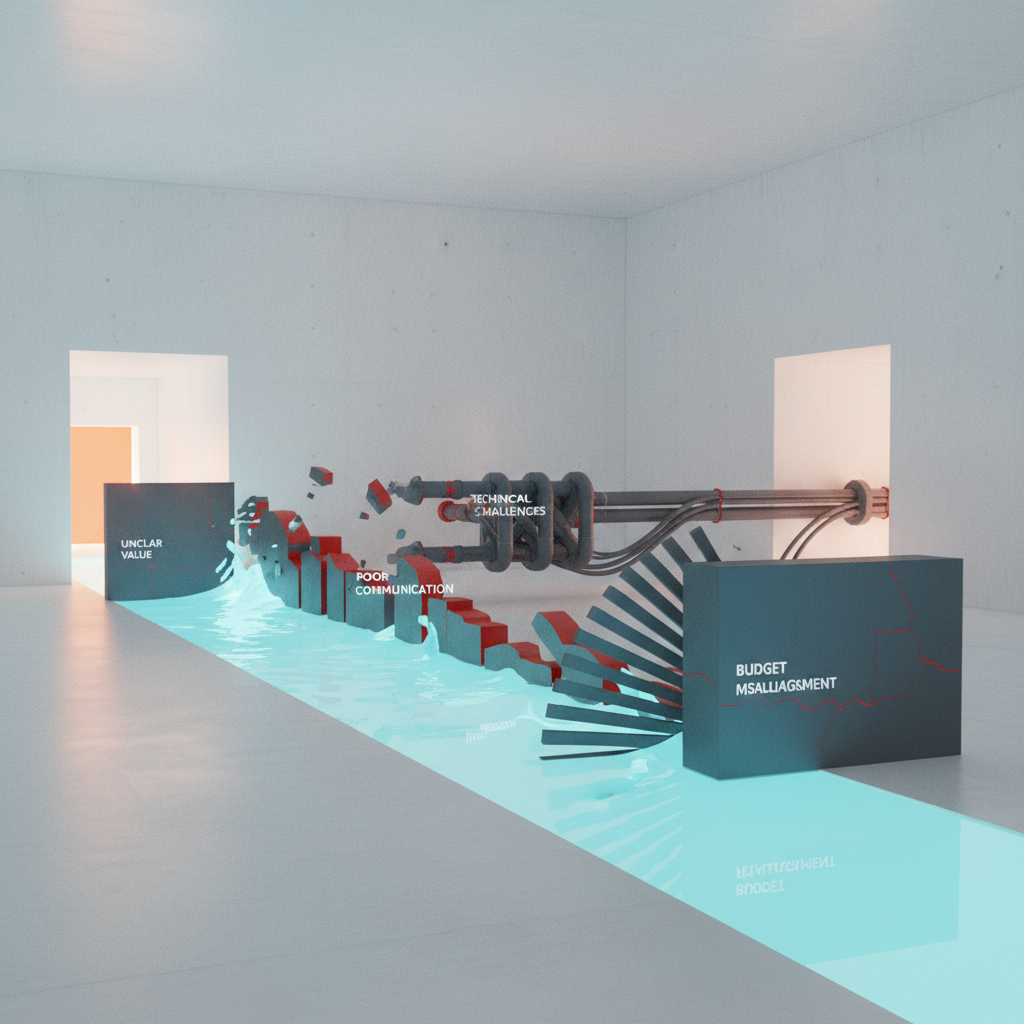
The primary driver of these stalls is the buyer’s internal risk management process. Key factors include:
- Stakeholder Alignment: The buyer must build consensus among various stakeholders, each with their own concerns and priorities. This takes time and can be significantly delayed if internal disagreements arise.
- Risk Mitigation: SaaS solutions introduce potential risks: security breaches, data privacy violations, integration challenges, and budget overruns. The buyer must assess and mitigate these risks internally, often through multiple rounds of review and approval.
- Budgetary Constraints: Even if the initial budget is approved, changes in economic conditions, internal re-prioritization, or shifts in company focus can lead to delays or cancellations.
Buyer-Side Impact: Decision Friction and Delayed Closure
This internal process creates decision friction that directly impacts deal velocity. The buyer is not simply evaluating the product; they are also navigating a complex internal landscape. The result is:
- Delayed Decisions: The evaluation phase stretches longer than anticipated as internal reviews and approvals take time.
- Loss of Momentum: As the evaluation drags on, the initial urgency and excitement fade, leading to a loss of momentum.
- Deal Stalls: In worst-case scenarios, internal disagreements or risk concerns can lead to the deal stalling indefinitely or even being canceled.
Understanding this dynamic is crucial for RevOps and Sales Leadership. It’s not about finding buyers with “more” interest. It’s about understanding and anticipating the internal processes that drive deal velocity. The most effective strategies focus on proactively supporting the buyer’s internal evaluation process, not just selling the product itself.
From our experience at Kliqwise, the focus should be on helping buyers navigate their internal risk management and consensus-building processes. This requires a shift in mindset: instead of viewing silence as a lack of interest, recognize it as an indication of internal friction that requires targeted support.