

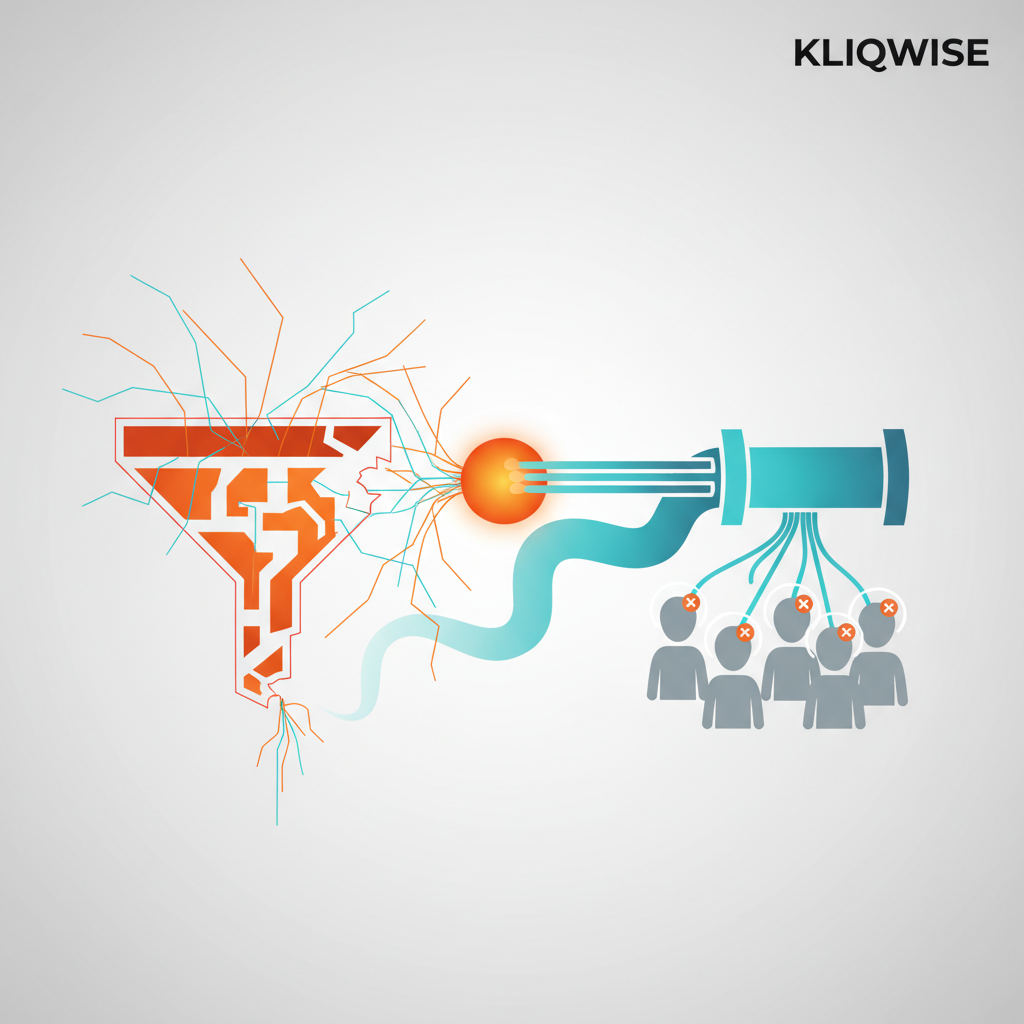
We’re living in an era where SaaS buyers are masters of self-service. They research independently, gather internal consensus, and often only engage sales when they’re well down the path. Meanwhile, sales teams are under immense pressure to convert, and they’re understandably wary of leads that lack clear buying signals. This creates a fundamental disconnect: the buyer’s journey often starts long before the seller is aware of it. And when demand generation efforts prioritize surface-level personalization, the result is often a costly waste of time and resources for both sides.
The Counterintuitive Take: ABM Shouldn’t Target Accounts, It Should Target Readiness
Account-Based Marketing (ABM) has become a buzzword, often interpreted as a license to bombard specific companies with generic messaging. The assumption is, if you target the “right” accounts, the rest will fall into place. But this misses the mark. Modern SaaS buyers, especially those who are problem-unaware, aren’t waiting for your outreach. They’re silently navigating their own internal struggles, researching potential solutions, and building consensus. ABM’s true power isn’t in targeting accounts; it’s in identifying and engaging with those *within* those accounts who are demonstrating *readiness* to consider a solution.
The Evidence: The Buyer’s Silent Struggle and the Seller’s Blind Spots
Consider the typical scenario. A demand generation team, tasked with hitting aggressive pipeline targets, launches an ABM campaign focused on a list of “ideal” accounts. They personalize email subject lines with company names, customize website landing pages with logos, and perhaps even send out branded swag. But what happens if the targeted individuals aren’t actively seeking a solution? They’re likely in the problem-unaware stage, still defining their needs, and potentially even unaware that a solution like yours exists. They’re overwhelmed with noise, and your efforts are promptly ignored.
Simultaneously, the sales team, armed with these “personalized” leads, struggles to gain traction. They’re met with polite declines, requests for more information that never materialize, or even outright rejection. The leads lack the context, the urgency, and the internal buy-in to move forward. The sales team, frustrated and under pressure, is forced to chase cold opportunities, wasting valuable time and resources.
Practical Reframing: Shifting Focus from Account Targeting to Intent Recognition
To break free from this cycle, we need a fundamental shift in perspective. Instead of focusing on account-level targeting, demand generation should prioritize identifying and understanding buyer intent. This means:
- Investing in content that addresses the underlying problems your ideal buyers face, even if they aren’t explicitly searching for your solution. This positions you as a thought leader and trusted resource.
- Tracking and analyzing buyer behavior across all touchpoints (website visits, content downloads, event attendance, etc.) to identify patterns of interest and intent.
- Leveraging intent data to understand which accounts are actively researching solutions like yours, even if they haven’t explicitly engaged with your brand.
- Developing sales playbooks that are tailored to the buyer’s journey stage. For problem-unaware buyers, this means focusing on education and problem definition, not product pitches.
This approach allows sales to engage buyers at the right moment, with the right message, and with a clear understanding of their needs. It’s about reducing noise, not adding to it. It’s about building genuine relationships, not just chasing logos.
Conclusion: Context is King (and Queen)
In the world of SaaS, personalization without context is just noise. It’s a distraction from the real goal: helping buyers solve their problems. Effective demand generation doesn’t just target accounts; it targets readiness. It’s about recognizing buyer intent, understanding their internal context, and providing value at every stage of their journey. By shifting our focus from account-level targeting to intent-driven engagement, we can finally align our efforts with the realities of the modern SaaS buyer and create meaningful, impactful conversations.