

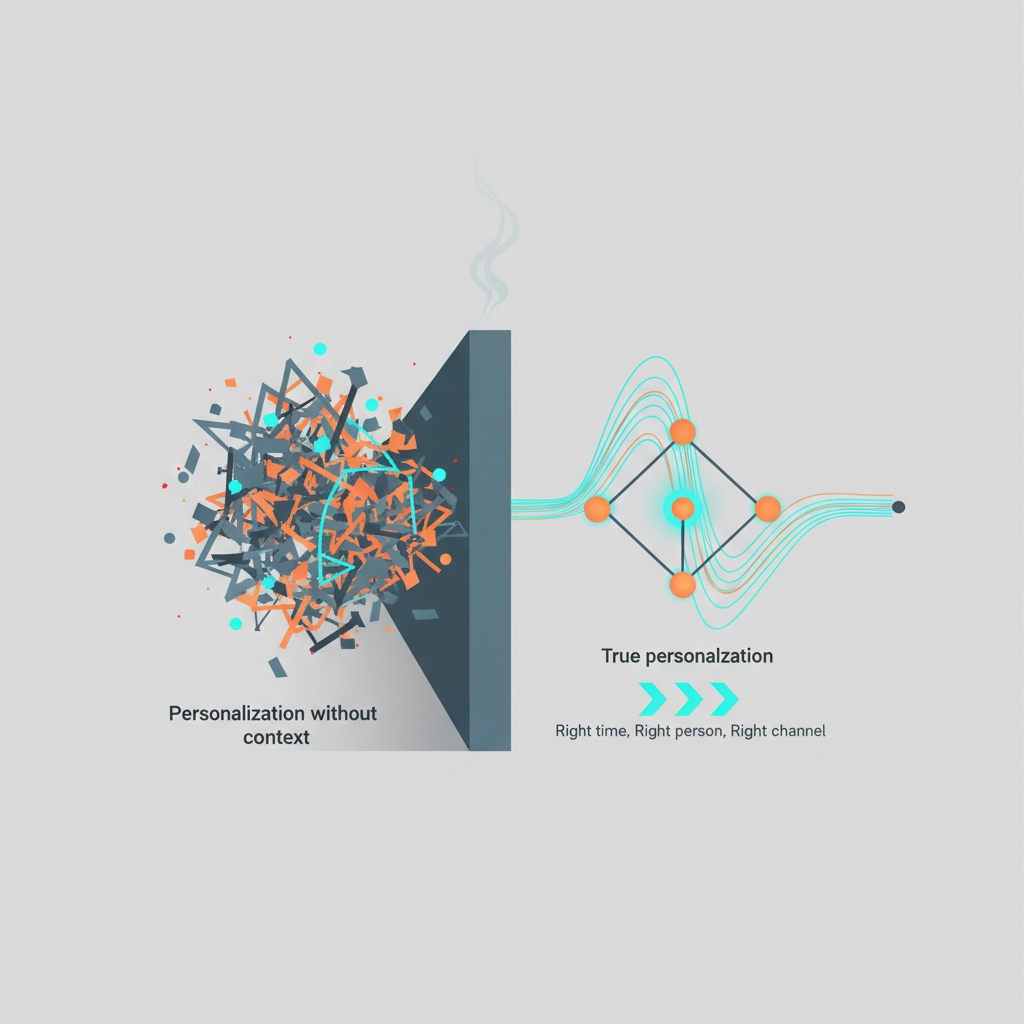
The modern SaaS buying journey is a labyrinth. Buyers are armed with information, evaluating options long before they’ll speak to a sales rep. They involve multiple stakeholders, weigh internal priorities, and often delay vendor interaction until a critical need is undeniable. Meanwhile, sales teams face relentless pressure to meet quotas, leading to an over-reliance on activity metrics and a deep distrust of leads that lack clear intent. In this environment, personalization, often touted as a silver bullet, can easily become a costly distraction.
The Illusion of Personalized Outreach
Most demand generation programs are judged by activity: emails sent, content downloads, demo requests. But are these actions truly indicators of progress? The reality is far more nuanced. When a buyer is problem-unaware, they’re not actively searching for solutions. They might download a white paper, attend a webinar, or even engage with a chatbot. But these actions, while valuable, don’t automatically signal a readiness to buy. Personalizing outreach without understanding the buyer’s underlying context is like shouting into the wind.
The Disconnect: What Buyers Experience
From the buyer’s perspective, generic personalization is often worse than no personalization at all. Imagine a VP of Marketing, quietly wrestling with a decline in lead quality. They’re researching new approaches, but haven’t yet identified a specific vendor. They receive a series of emails, each mentioning their name and company, but offering content that’s tangentially related to their current challenges. They likely feel like they are receiving messages from a system, not a person.
These buyers are looking for insights, not empty gestures. They are seeking to understand, to validate, and to build internal consensus. Personalized emails that don’t address their specific problem, internal politics, and decision-making timeline are seen as noise. They trigger disengagement, not engagement, and ultimately damage the seller’s credibility.
The Seller’s Dilemma: Activity vs. Progress
Sales teams are incentivized to engage with leads, any leads. The pressure to fill the pipeline often leads to a reliance on activity-based metrics: dials made, emails sent, demos booked. But these activities are often poor proxies for actual progress. A rep might have a full calendar, but the deals are stalling because the conversations lack relevance and the buyer isn’t ready to move forward.
This creates a vicious cycle. Sales teams are forced to chase volume, leading to a higher rate of unqualified leads. This, in turn, fuels distrust in demand generation, making it harder to justify investment in strategic initiatives. The focus shifts to short-term wins, at the expense of long-term value.
Shifting the Focus: Contextual Relevance
The key to effective demand generation isn’t just about sending personalized messages; it’s about understanding the buyer’s context and delivering relevant value. This means prioritizing quality over quantity, and focusing on buyer intent, internal dynamics, and stage in the buying journey.
For problem-unaware buyers, this means providing educational content that helps them understand their challenges, and providing insights that help them build a case for change. It means positioning your company as a thought leader and trusted advisor, not just another vendor. It means reducing the noise, and helping them to find the right solutions for the right problems.
Rethinking the Metrics
Instead of measuring activity, focus on metrics that reflect genuine progress. Track the conversion of prospects into qualified leads, the increase in deal velocity, and the reduction in sales cycle length. These are the true indicators of a healthy demand generation engine.
Conclusion
Personalization, without understanding the buyer’s context, is a wasted effort. In the problem-unaware stage, buyers are not looking for a sales pitch, they are looking for help. Demand generation should be designed to reduce noise and provide relevant value. Only then can you build genuine relationships, drive real progress, and ultimately, close more deals.