
The modern SaaS buying journey is a labyrinth. Buyers are armed with information, evaluating options long before they engage with sales, and building internal consensus amongst a complex web of stakeholders. Meanwhile, sales teams are under immense pressure to fill the pipeline, leading to a relentless pursuit of leads – often with little regard for the buyer’s actual needs or internal dynamics. This creates a disconnect, and that disconnect is costing you deals.
What Buyers Expect: Relevance and Alignment
Buyers, particularly in the B2B SaaS space, are overwhelmed. They’re bombarded with generic messaging, irrelevant pitches, and sales outreach that feels more like a broadcast than a conversation. What they crave is relevance. They want vendors who understand their specific challenges, their industry, and the internal politics that govern their decision-making. They expect vendors to demonstrate a deep understanding of their current situation, not just regurgitate product features. They’re looking for a partner, not a peddler.
Furthermore, buyers are navigating a complex internal landscape. Procurement, IT, legal, and the end-users all have their own priorities and concerns. A successful vendor must help the buyer navigate these internal hurdles. This means providing the right information, at the right time, to address the specific concerns of each stakeholder. It’s about empowering the champion to build consensus, not just pitching a product.
What Sellers Do: Volume Over Value
The pressure to hit revenue targets often leads to a “spray and pray” approach to demand generation. The focus becomes generating as many MQLs (Marketing Qualified Leads) as possible, regardless of their quality or fit. This often manifests in generic, automated outreach campaigns that attempt to “personalize” the message with the buyer’s name or company, but lack any real understanding of their specific needs or context. This approach is not only ineffective, but it actively damages the sales process.
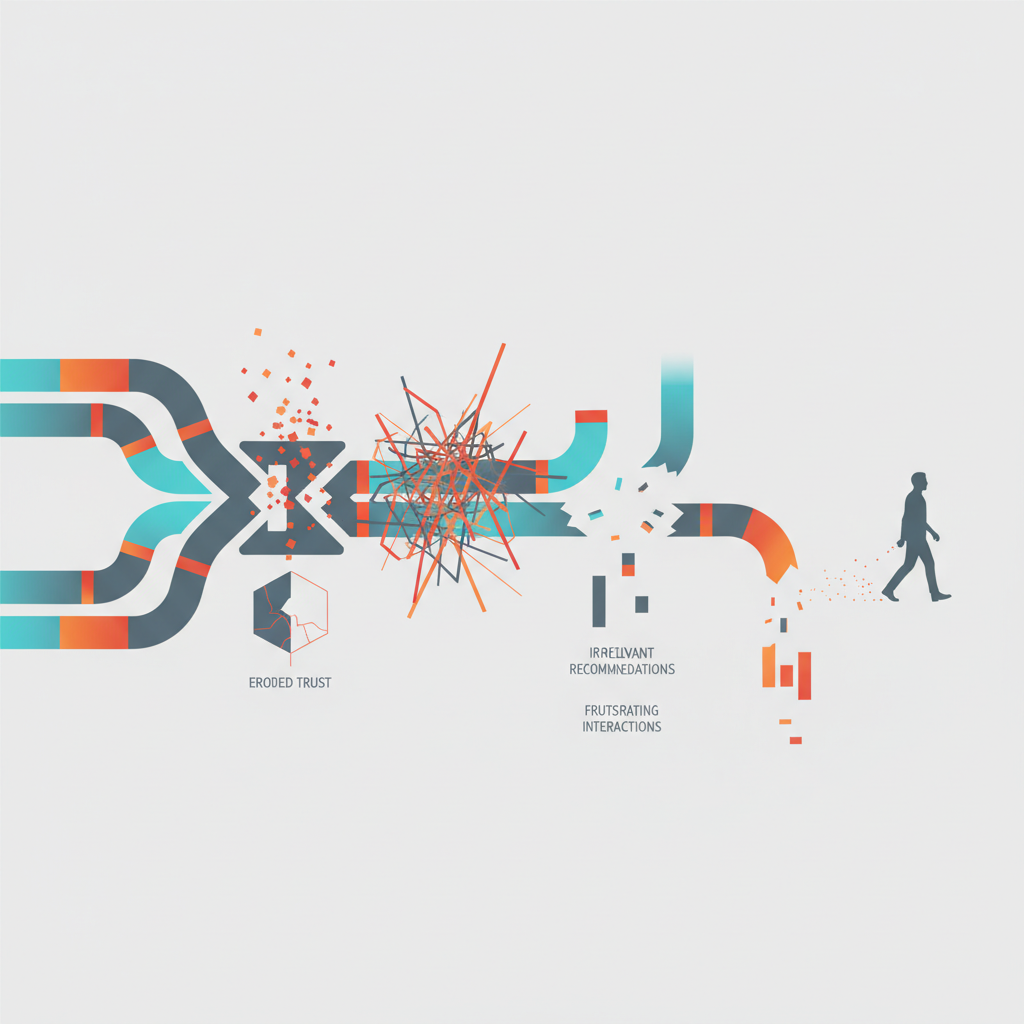
Sales teams, swamped with low-context leads, quickly develop a sense of distrust. They know that a high MQL volume often translates to a low conversion rate. They spend valuable time chasing unqualified leads, instead of focusing on deals that are actually likely to close. This leads to frustration, burnout, and a further erosion of trust in the demand generation process. The result is a cycle of inefficiency, where more leads are generated, but fewer deals are closed.
The Internal Consensus Killer
The most insidious effect of low-context outreach is its impact on internal consensus. When a buyer receives irrelevant messaging, it raises red flags. It suggests the vendor doesn’t understand their business, their challenges, or their internal dynamics. This makes it harder for the champion to build a case internally. It undermines their credibility and creates doubt among other stakeholders.
Imagine a scenario: A champion in your target account has identified a need and is building a case for your solution. They’re trying to win over their colleagues, demonstrating how your product will solve their problems and improve their workflow. Then, they receive a generic email from your team, mentioning features that don’t address their specific needs. This undermines their efforts, forces them to spend more time explaining context, and introduces risk into the buying process. The lack of context becomes a liability.
Rethinking Demand Generation: Quality Over Quantity
The core issue isn’t a lack of personalization, it’s a lack of context. The solution isn’t simply adding a buyer’s name to an email template. It’s about building a demand generation engine that prioritizes understanding the buyer’s journey and internal dynamics. It’s about focusing on the quality of leads, not just the quantity. It’s about empowering sales teams with the information they need to have truly relevant conversations.
The Pipeline’s Health
High MQL volume, fueled by low-context outreach, is not a sign of success; it’s a symptom of a broken system. It damages pipeline trust, creates friction, and ultimately, hurts revenue. By understanding the buyer’s journey, focusing on internal consensus, and providing sales teams with the context they need to succeed, you can build a more efficient, effective, and ultimately, more successful demand generation strategy.