

The modern SaaS buyer is a phantom. They lurk in the shadows of your website, download your resources, and attend your webinars, but rarely do they materialize ready to buy. Meanwhile, your sales team is screaming for qualified leads, and your demand generation engine is churning out… well, a lot of stuff. The disconnect? Your metrics probably tell a story of activity, not actual buyer progress.
As a demand gen leader, I see this daily. We’re obsessed with vanity metrics: opens, clicks, downloads, and demo requests. But are these truly indicators of purchase readiness? Or are they just shiny objects distracting us from the real work of understanding the buyer’s internal world?
What Buyers Expect vs. What Sellers Do: The Chasm of Readiness
Let’s face it: buyers are armed. They research, compare, and build consensus internally *before* they even consider talking to a salesperson. Their journey is a complex dance of internal meetings, pilot projects, and risk assessment. They’re not just evaluating your product; they’re evaluating your company’s ability to solve their specific problem and integrate into their existing tech stack.
Sellers, on the other hand, are trained to spot buying signals. They want to talk to people who have budget, authority, need, and timeline (BANT). They’re under pressure to hit quota and close deals. They often distrust leads that haven’t been properly vetted or nurtured – especially those that lack clear context.
The Activity Proxy Trap
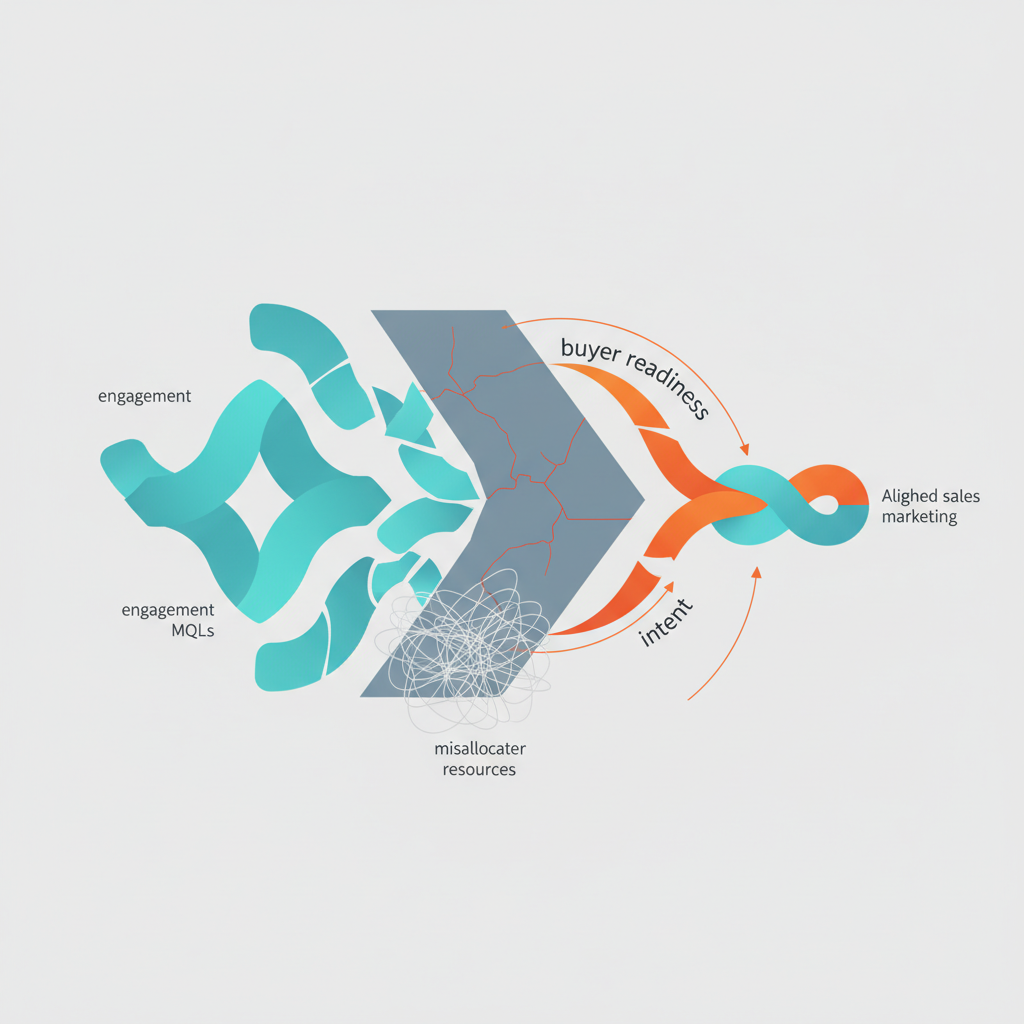
Most demand generation metrics focus on activity: how many leads, how many MQLs, how many clicks. These are easy to track, but they rarely correlate with actual purchase readiness. A high volume of downloads doesn’t necessarily mean anyone is *seriously* considering your product. It could just mean they’re curious or gathering information for a different project.
This creates a dangerous blind spot. Demand gen teams often believe they are successfully driving leads to sales, while sales teams are complaining about low-quality leads. The real problem is a misalignment of expectations and a failure to understand the buyer’s true position in the evaluation process.
The Internal Decision Dance
Here’s a perspective most demand gen programs overlook: the buyer isn’t just one person. They are a buying committee. They are navigating internal politics, budget constraints, and competing priorities. Your marketing materials must resonate with multiple stakeholders, each with their own concerns and objections.
This internal dynamic is invisible to most demand gen metrics. A high lead score might indicate interest from a single individual, but it doesn’t reveal whether that person has the influence or support to drive a purchase. Are they championing your product? Or are they just window shopping?
Shifting the Focus: Buyer Intent and Context
To bridge the gap between buyer expectations and seller needs, we need to move beyond activity proxies. We need to focus on buyer intent and internal context. This means:
- Understanding the buyer’s problem: What are their pain points? What are they trying to achieve? How does your product fit into their overall strategy?
- Mapping the buying committee: Who are the key decision-makers? What are their roles and responsibilities? What are their concerns?
- Assessing internal alignment: Is there consensus around the need for a solution? Is there budget allocated? Is there a clear timeline?
This deeper understanding allows us to qualify leads more effectively, personalize our messaging, and engage buyers at the right moment. It allows sellers to focus their efforts on conversations that are actually relevant, reducing wasted time and increasing the likelihood of closing deals.
Conclusion: The Future of Demand Gen
The most significant blind spot in RevOps is the disconnect between activity-based demand gen metrics and the reality of the SaaS buying journey. By focusing on buyer intent, internal context, and purchase readiness, we can build a more efficient and effective demand generation engine. The goal isn’t more leads; it’s more *qualified* leads, ready to engage in meaningful conversations and ultimately, close deals. It’s time to stop measuring activity and start measuring progress.