

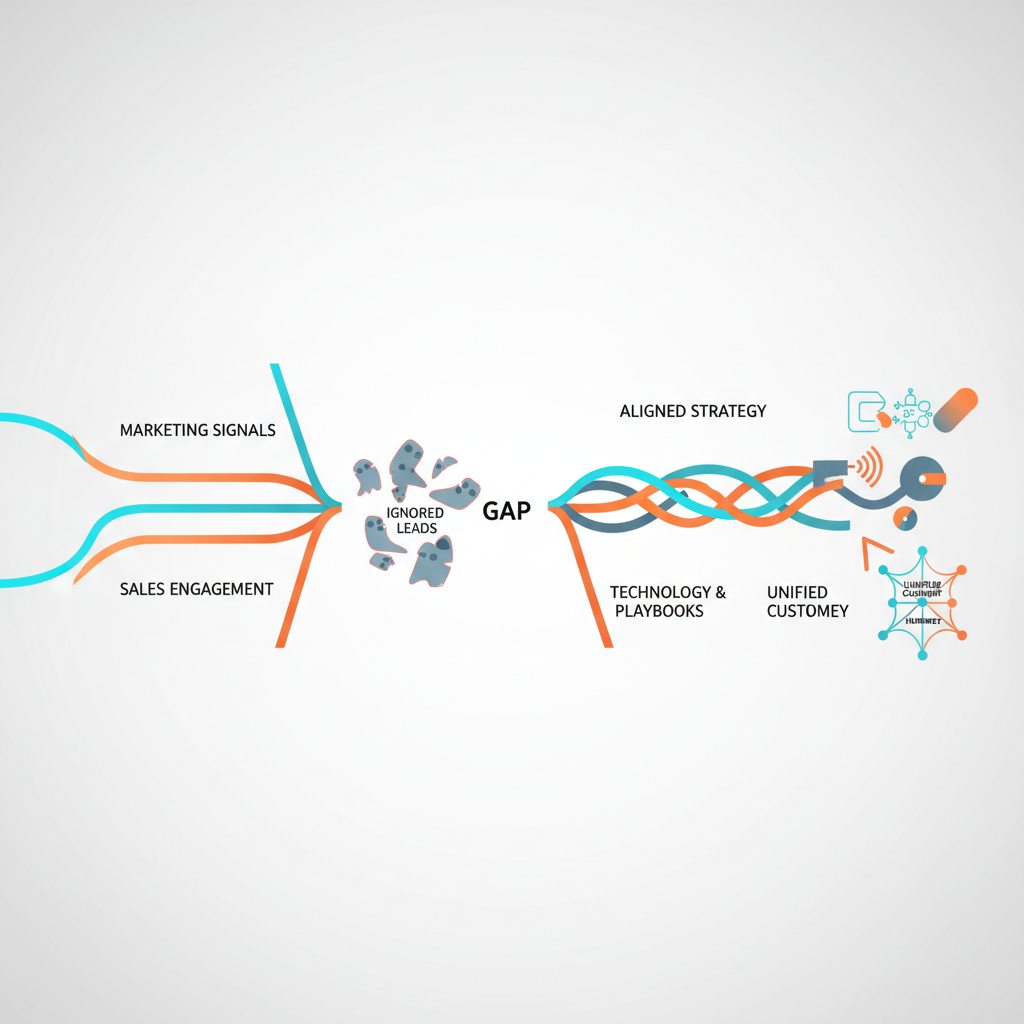
We all know the ABM dream: laser-focused targeting, personalized outreach, and a direct line to high-value deals. The reality, however, often looks different. Sales teams, facing relentless pressure to close, frequently ignore leads that don’t immediately scream “ready to buy.” This isn’t laziness; it’s a symptom of a fundamental execution gap.
The core problem? Sales teams are incentivized to prioritize conversations that are easy to close, not to cultivate relationships. They’re wary of spending time on leads that lack clear buying signals, even if those leads are genuinely interested in a solution. In a world of tight quotas and limited resources, ‘good’ often gets trumped by ‘guaranteed.’
The Paradox of the Solution-Aware Buyer
Let’s consider the solution-aware buyer. They’re actively researching options, comparing vendors, and likely have a shortlist in mind. They understand their problem and are seeking a solution, but they haven’t yet engaged with sales – or, if they have, the conversations have stalled. This is a critical stage. These buyers are doing their homework, often consulting multiple stakeholders, creating internal alignment, and evaluating risk. They’re not necessarily ready to talk to a salesperson, but they *are* ready to learn more about how to solve their problem.
The sales team, however, sees a different picture. A lead comes in: maybe a whitepaper download, a webinar registration, or a visit to a pricing page. The contact data might be solid, the company a perfect fit for the ICP, but the lead lacks the explicit signals sales teams crave. No demo request. No direct expression of interest. Just…awareness. And, in the eyes of many sales reps, awareness doesn’t pay the bills.
Evidence: The Silent Treatment and the Missed Opportunity
Consider the typical ABM workflow. Marketing identifies target accounts, nurtures them with content, and hands off qualified leads to sales. But what happens when those “qualified” leads don’t immediately convert? The sales team, swamped with other priorities, often deprioritizes them. Outreach attempts go unanswered. Follow-up emails are ignored. The lead goes cold.
This isn’t a failure of the lead itself; it’s a failure of execution. The sales team, focused on immediate wins, has missed the opportunity to engage with a buyer who is actively evaluating solutions. They haven’t realized that the buyer is in the solution-aware stage, meticulously gathering information and building a case for change. They haven’t understood the internal dynamics that are shaping the buying decision.
Internal evaluation is slow, complex, and opaque. Sales teams don’t see the internal debates, the budget discussions, or the stakeholder negotiations. They only see the absence of a quick sale. This is a huge, costly gap in ABM execution.
Practical Reframing: Re-Engage with Context
Instead of relying solely on explicit buying signals, sales teams need to understand the buyer’s internal context. This means shifting focus from immediate conversion to long-term relationship building. Here’s how:
- Embrace the Solution-Aware Stage: Recognize that solution-aware buyers are gathering information, not necessarily ready to buy. Tailor outreach to address their specific needs and pain points, not simply pitch a product.
- Provide Value, Not Just Information: Don’t just regurgitate features and benefits. Offer insights, thought leadership, and resources that help the buyer solve their problem, regardless of their immediate buying intentions.
- Map the Buying Committee: Understand the different stakeholders involved in the decision-making process. Tailor your messaging to address their individual concerns and priorities. Help the buyer build consensus.
- Measure Engagement, Not Just Conversion: Track metrics beyond demo requests and closed deals. Measure content consumption, website visits, and engagement with your messaging. These are strong indicators of interest.
By shifting the focus from immediate conversion to long-term relationship building, sales teams can unlock the potential of solution-aware leads. They can build trust, establish credibility, and position themselves as trusted advisors.
Conclusion: Bridging the Divide
The ABM execution gap isn’t about the quality of leads; it’s about the disconnect between marketing’s efforts and sales’ execution. Sales teams are under pressure to close deals, but they’re missing the opportunity to engage with buyers who are actively evaluating solutions. This isn’t a problem of the leads; it’s a problem of context. By understanding the solution-aware buyer, valuing their internal processes, and tailoring outreach accordingly, sales teams can turn ‘good’ leads into closed-won opportunities.