
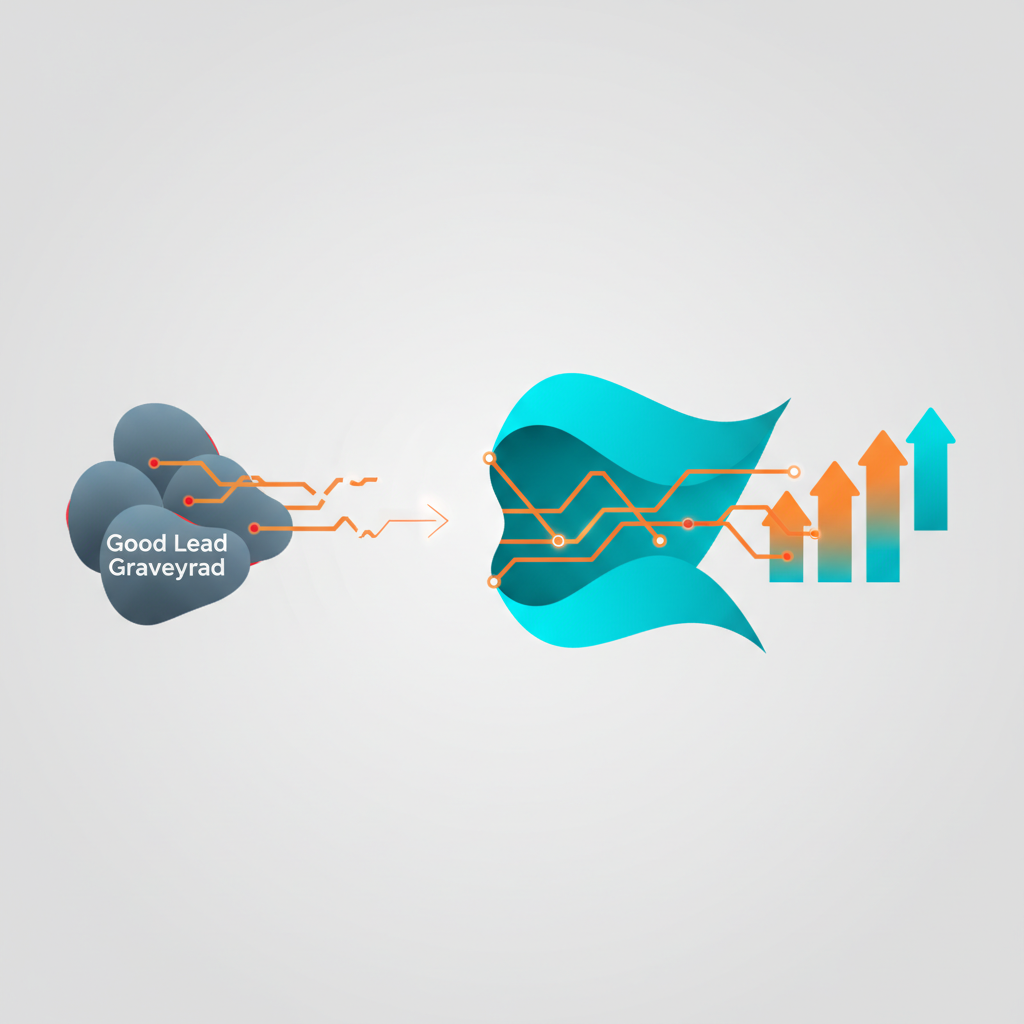
The modern SaaS buying journey is a labyrinth. Buyers are empowered, researching independently, and building consensus internally long before they deign to speak with a salesperson. Meanwhile, sales teams are perpetually under pressure, incentivized to chase the low-hanging fruit: leads that seem ready to buy, yesterday. This creates a dangerous paradox where potentially high-value leads are ignored, and opportunities are lost.
The Problem: Problem-Unaware Leads Get Tossed Aside
Consider the “good” lead, according to the traditional definition. They’ve downloaded a piece of content, attended a webinar, or maybe even requested a demo. However, if the lead’s actions lack clear buying signals – a pressing pain point articulated, a budget openly discussed, a timeline established – the lead is often relegated to the background. Sales sees the lack of immediate urgency and the absence of a defined problem and, understandably, prioritizes leads that seem further along the path to purchase. These problem-unaware leads are frequently deemed “too early” or “not qualified” and are often left to languish in nurture sequences, or worse, forgotten entirely.
The Consequence: Missed Opportunities and Stunted Growth
This dismissal of problem-unaware leads has significant consequences. First, it significantly shrinks the top of the funnel. By focusing solely on those displaying immediate readiness, sales teams are effectively ignoring a large segment of the market. Second, it cedes ground to competitors. Buyers, even those in the early stages, are actively seeking solutions. If your company isn’t present, educating, and building trust, they’ll inevitably find another vendor. Third, it skews the sales cycle. By only engaging with buyers late in the journey, you’re forced to play catch-up, reacting to decisions already being made internally, and struggling to displace entrenched preferences. This often translates to longer sales cycles, increased discounting, and higher customer acquisition costs.
The Insight: The Incomplete Story of Early-Stage Intent
The core problem isn’t the leads themselves; it’s the incomplete story. Problem-unaware leads are not necessarily “bad” leads. They’re simply in a different stage of the buying process. Their actions – the content downloads, the webinar attendance – represent nascent intent. They’re showing interest in a topic, a solution space, but they haven’t yet articulated their specific needs or recognized the urgency of a problem. Sales teams, trained to identify and capitalize on immediate needs, often lack the tools and the time to cultivate these early-stage prospects. They are optimized for closing, not for educating and guiding.
The key is to understand that these leads are not ready to be sold *to*, but they are ready to be *educated*. They’re gathering information, comparing options, and building an internal case. They’re evaluating the risk of change, the potential impact on their teams, and the overall feasibility of adopting a new solution. The challenge lies in identifying these hidden signals of intent and providing the right kind of value to move them further along their journey.
The Implication: Re-Engineering Demand Gen for Early-Stage Engagement
This means a fundamental shift in how demand generation is approached. It’s about reducing noise and increasing relevance. Instead of blasting out generic messaging, demand generation needs to focus on providing tailored content that addresses the specific needs and concerns of problem-unaware buyers. Think educational resources, thought leadership pieces, and interactive tools that help buyers understand their problems and explore potential solutions. This requires a deep understanding of the buyer’s internal context, the various stakeholders involved, and the internal dynamics that influence decision-making.
Furthermore, it requires a more patient and strategic approach to sales engagement. Rather than pushing for immediate demos or proposals, sales should focus on building relationships, providing value, and guiding the buyer through the early stages of the journey. This might involve offering personalized consultations, providing access to relevant case studies, or connecting the buyer with other resources that can help them make an informed decision. The goal isn’t to close a deal quickly but to become a trusted advisor and a valuable resource for the buyer.
By shifting the focus to early-stage engagement, SaaS companies can significantly expand their market reach, shorten their sales cycles, and build a stronger pipeline of qualified leads. It’s about recognizing that the buying journey is a marathon, not a sprint, and adapting your demand generation and sales strategies accordingly.