

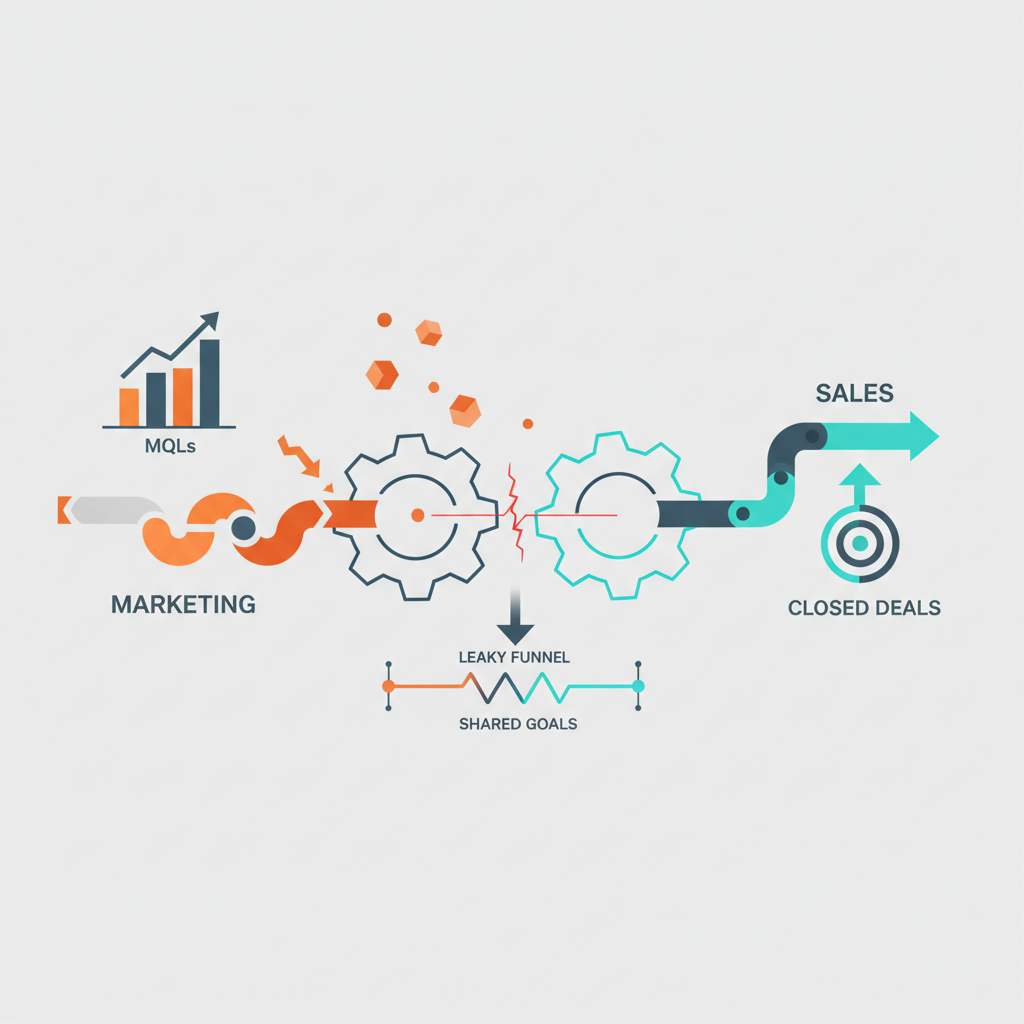
The modern SaaS buying journey is a winding road. Buyers research independently, huddle with internal stakeholders, and only engage vendors when they’re ready. Meanwhile, sales teams are under pressure to close deals, and often dismiss leads lacking clear intent. This creates a fundamental misalignment, where the metrics we use to measure demand generation often obscure the real progress (or lack thereof) in purchase readiness.
Myth: More Leads = More Opportunities
The prevailing myth in many SaaS companies is that a larger lead volume directly translates to more sales opportunities. The reality is far more nuanced. While a robust top-of-funnel is important, a flood of unqualified leads can overwhelm sales teams, leading to wasted time, strained relationships, and missed opportunities. The focus shifts to “activity” – webinars attended, ebooks downloaded, form submissions – as proxies for genuine buyer interest. These metrics provide a distorted view of the actual purchase readiness of the leads.
The Reality: Internal Dynamics Drive Purchase Readiness
The true drivers of purchase readiness are often hidden within the buyer’s organization. Is there consensus on the problem? Have internal budgets been allocated? Are key stakeholders aligned on the solution requirements? These internal dynamics, not the number of form fills, ultimately determine when a buyer is truly ready to engage with a vendor. Demand generation efforts often fail to account for these internal complexities.
The Problem of the “Ready-to-Buy” Fallacy
Many demand generation programs operate under the assumption that buyers are always “ready to buy,” simply needing to be nudged along the funnel. This simplistic view overlooks the significant work buyers undertake internally before contacting a vendor. They assess current processes, evaluate the impact of the problem, and build a case for change. This internal assessment defines purchase readiness far more effectively than any external marketing touchpoint.
The Risk of Irrelevance
When demand generation focuses on broad outreach and activity-based metrics, it increases the risk of irrelevance. Buyers, inundated with generic messaging, quickly disengage. Sales teams, forced to chase low-context leads, become less effective. The result is a cycle of wasted resources and a widening gap between marketing efforts and actual sales outcomes. This is not simply a matter of “bad leads”; it’s a structural problem of misaligned incentives and a flawed understanding of the buying process.
Reframing Demand Generation for Purchase Readiness
The key to bridging this misalignment lies in shifting the focus from activity to intent. Instead of chasing volume, demand generation should prioritize insights into internal buyer context. This includes understanding the specific problem the buyer is trying to solve, the internal stakeholders involved, and the stage of their internal evaluation process. The goal isn’t to generate more leads, but to help buyers progress in their own journey, which means having the right information at the right time.
Conclusion: Measuring What Matters
The core of effective demand generation is not about generating activity, but about understanding and supporting the buyer’s journey to purchase readiness. Focusing on internal dynamics, buyer intent, and real-world problems will produce leads that are not just more numerous, but more relevant, and more likely to convert. Only then can we move beyond activity proxies and build a demand generation engine that truly drives revenue.