

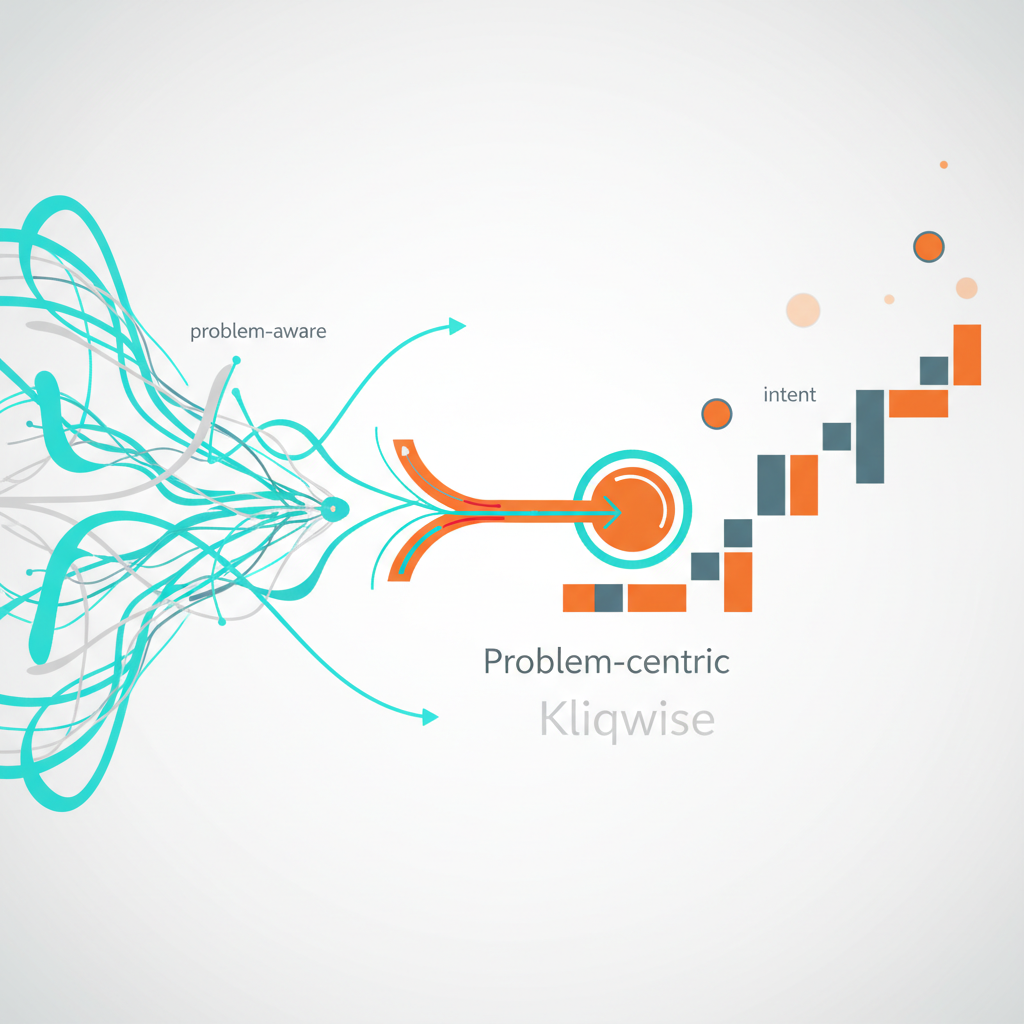
The modern SaaS buying journey is a labyrinth, not a linear path. Buyers, especially those in problem-aware mode, are actively seeking solutions, but their actions are often misinterpreted. We see a surge in “intent data” chasing, but are we truly understanding the buyer’s internal reality? The pressure to hit revenue targets often leads sales teams to prioritize any signal, even if it lacks the crucial context needed to drive a meaningful engagement.
The False Promise of Uncontextualized Signals
The core problem lies in the over-reliance on intent signals without considering the buyer’s internal environment. A buyer might download a whitepaper, attend a webinar, or even visit a pricing page. These actions are often flagged as “high intent,” triggering immediate outreach. But what if the buyer is simply researching, gathering information for a future project, or exploring the competitive landscape? Without understanding the *why* behind the action, we’re operating in the dark. This leads to wasted sales cycles and, worse, a negative buyer experience.
The Cost of Misinterpretation: Wasted Resources and Damaged Trust
The consequences of this misinterpretation are significant. Sales teams waste valuable time pursuing leads that are not ready to buy. Marketing teams pour resources into campaigns that generate noise, not qualified opportunities. The buyer, bombarded with irrelevant pitches, begins to distrust vendors. This erodes the very foundation of the relationship. It’s a lose-lose scenario: sales misses quota, marketing struggles to show ROI, and the buyer feels unheard and misunderstood.
Decoding the Internal Landscape: Beyond the Surface Signals
The insight here is that true understanding requires a deeper dive into the buyer’s internal context. Problem-aware buyers are often navigating complex internal dynamics. They’re not just looking for a solution; they’re building a case, securing buy-in from multiple stakeholders, and mitigating risk. We need to move beyond simply tracking actions and start asking:
- What specific problem is the buyer trying to solve?
- Who are the key decision-makers involved?
- What are their internal priorities and concerns?
- What are the perceived risks of implementing a new solution?
This requires a shift in mindset, from simply gathering data points to actively seeking context. It means asking the right questions, listening more than talking, and understanding the buyer’s motivations beyond surface-level signals. It means tailoring our messaging to the specific problem, not just the general solution.
Implications for a Smarter Demand Generation Strategy
For demand generation, this implies a need for a more nuanced approach. Instead of focusing solely on lead volume, we should prioritize lead quality. This means:
- Refining lead scoring models to incorporate internal context signals.
- Developing content that addresses specific pain points and challenges.
- Training sales teams to ask insightful questions and understand the buyer’s internal dynamics.
- Creating feedback loops between sales and marketing to continuously refine our understanding of buyer behavior.
By understanding the internal environment, we can help our sales teams focus on the right conversations and provide a better experience for the buyers.
The Path to Relevance: Context Over Clicks
In conclusion, the focus on intent signals, absent the necessary context, creates a mirage. We see activity and assume readiness. Yet, without understanding the buyer’s internal world, we risk wasting resources, damaging relationships, and ultimately, missing out on opportunities. The key is to shift our focus from tracking actions to understanding motivations, from volume to value. By embracing a deeper understanding of the buyer’s journey, especially in the problem-aware stage, we can build a more effective, relevant, and ultimately successful demand generation strategy.