

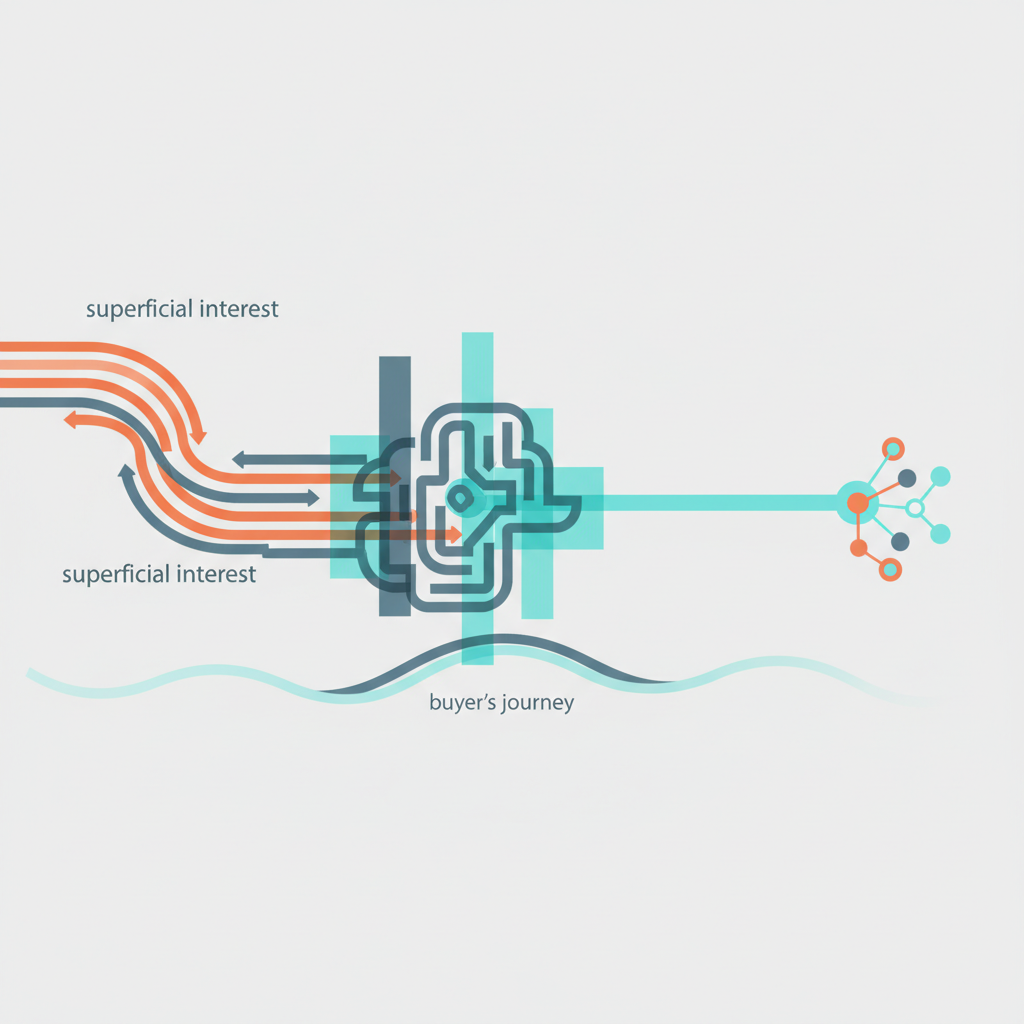
In the relentless pursuit of revenue, SaaS companies often find themselves chasing shadows. Sales teams, under pressure to close deals, are trained to spot “buying signals” – website visits, content downloads, demo requests – and pounce. But in today’s complex buying landscape, are these signals truly indicative of a high-probability opportunity? Or are we mistaking fleeting interest for genuine intent, leading to wasted effort and, ultimately, lost deals? The reality is, what buyers expect in their internal evaluation process often clashes with how sellers interpret their actions.
The Seller’s Lens: The Urgency of Now
From an executive perspective, the pressure to meet or exceed revenue targets is constant. Every lead is a potential lifeline, and sales teams are incentivized to prioritize those that appear “hot.” This often translates into a focus on immediate engagement. A prospect who downloads a pricing guide or requests a demo is seen as “ready to buy” – a prime target for aggressive outreach, discovery calls, and proposal generation. The implicit assumption is that the buyer is actively evaluating solutions and needs to be nudged toward a decision.
This approach, however, often overlooks a critical element: context. Without understanding the buyer’s internal dynamics, their current challenges, and their stage in the evaluation process, sales teams risk misinterpreting intent. A demo request could be a fishing expedition, a comparison exercise, or simply a curiosity-driven exploration. Without context, these actions are just noise. The seller’s focus on urgency can backfire, pushing the buyer away before they’ve even begun serious internal deliberation.
The Buyer’s Internal Reality: Consensus as the Currency of Choice
Modern SaaS buying is rarely a solo endeavor. Buyers are forming internal coalitions, gathering information from multiple sources, and navigating complex stakeholder dynamics. The true buying journey, from an executive’s perspective, centers on achieving internal consensus. This means aligning various departments, securing budget approval, and mitigating perceived risk.
Consider a scenario: A VP of Sales downloads a case study about your product. From a sales perspective, this is a clear signal of interest. But what if this VP is merely gathering information to present to their team? Or if they are tasked with evaluating a handful of solutions, not necessarily with the intention of making an immediate purchase? Without understanding the internal context, the sales team may prematurely engage, potentially disrupting the buyer’s internal evaluation process. The buyer might be looking for validation, not a sales pitch. They need ammunition to win internal support. Bombarding them with outreach before they are ready can be a fatal misstep.
Deconstructing Intent: Beyond the Surface Signals
Focusing solely on intent signals, without understanding the internal context, is like trying to build a house on quicksand. The foundation is unstable, and the structure is destined to fail. To truly understand buyer behavior, we need to move beyond simplistic interpretations of intent and delve into the nuances of their internal evaluation process.
This means asking questions like: What problem are they trying to solve? Who is involved in the decision-making process? What are their key priorities and constraints? What information do they need to build internal consensus? By understanding the answers, we can provide relevant information at the right time. We become a resource, not a nuisance.
The Path to Relevance: Context as the Key
The key to success in today’s SaaS market isn’t just about generating leads; it’s about understanding the internal context that drives buyer decisions. It’s about recognizing that a demo request is just the beginning of a complex internal process. By shifting our focus from immediate intent signals to a deeper understanding of the buyer’s internal reality, we can build stronger relationships, close more deals, and ultimately drive sustainable revenue growth. The goal is not just to sell, but to become an indispensable partner in the buyer’s journey toward internal consensus.