

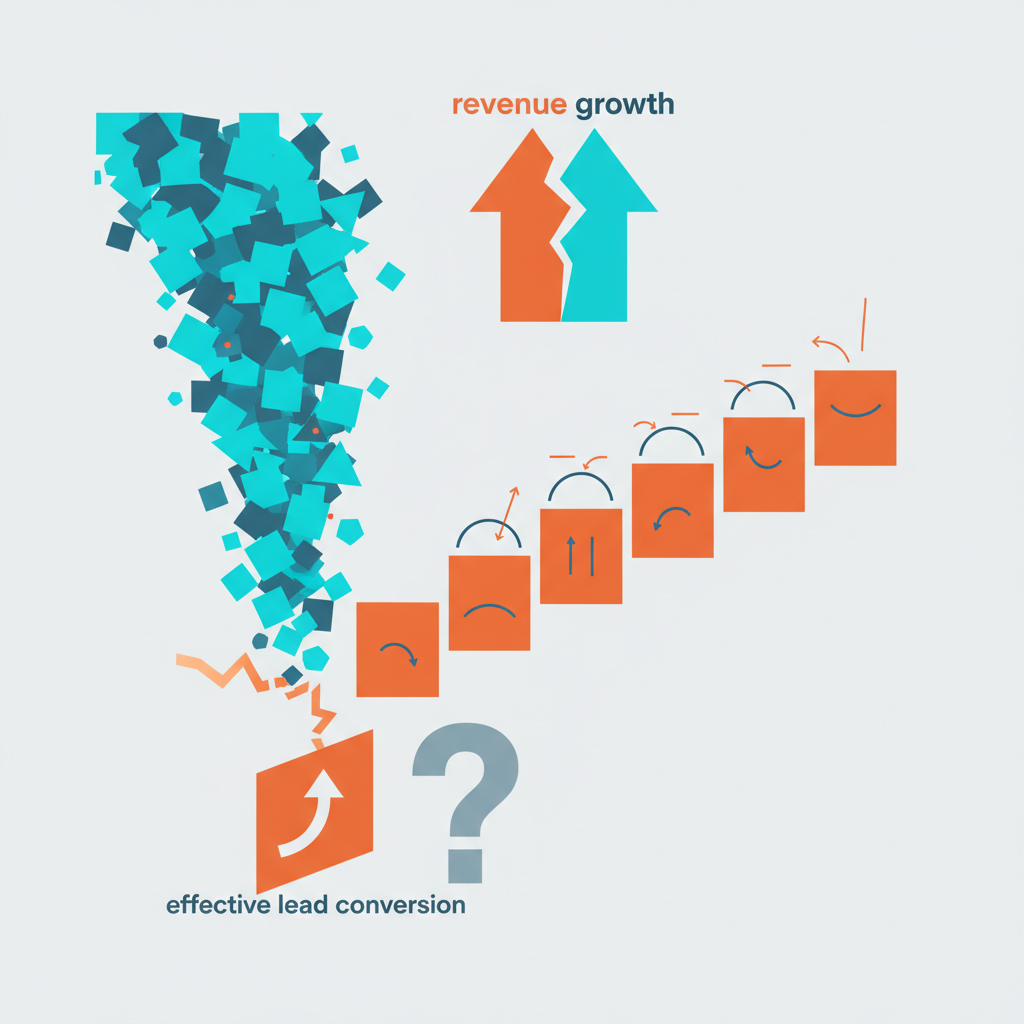
The modern B2B SaaS landscape is a battlefield of attention. Buyers are overwhelmed, skeptical, and fiercely protective of their time. Sales teams, meanwhile, are under constant pressure to deliver, often relying on volume to compensate for inefficiency. This creates a dangerous misalignment, especially around the initial stages of the buying journey. Let’s dissect a common myth and the often-overlooked reality.
Myth vs. Reality: The Volume Game
The prevailing myth is simple: more MQLs (Marketing Qualified Leads) equal more opportunities. The logic seems sound: cast a wide net, and you’ll catch more fish. This approach often leads to a relentless pursuit of lead generation, focusing on top-of-funnel metrics and activity volume. But what happens when the net is full of seaweed?
The reality is far more complex. While a healthy flow of inbound interest is essential, an overabundance of low-context MQLs can actively erode sales trust and damage purchase readiness. Sales teams, facing quota pressure, quickly develop a finely-tuned sense of signal versus noise. They know the difference between a genuinely interested buyer and someone who downloaded a white paper out of curiosity. The more “noise” they sift through, the less faith they have in the marketing-generated pipeline.
The Impact on Buyer Behavior
Let’s zoom in on the buyer. They’re already navigating a complex landscape, involving multiple stakeholders and a mountain of research. They’re not looking for a sales pitch; they’re looking for solutions. When a flood of irrelevant outreach hits their inbox, it creates a negative experience. It signals that the vendor doesn’t understand their specific needs or current challenges.
This early bombardment can trigger a defensive response. Buyers might disengage, delay vendor interaction, or even actively seek out alternative solutions to avoid the perceived sales pressure. They become less receptive to the very conversations sales teams are trying to initiate.
The Internal Dynamics of Distrust
The damage extends beyond the individual buyer. High MQL volume fuels internal distrust within the buying committee. When a sales rep reaches out, the initial reaction might be skepticism, especially if the lead originated from a generic campaign. The buyer’s colleagues, already wary of vendor intrusion, may push back against any perceived sales pressure, making it harder to build consensus and move the deal forward.
This internal friction adds to the existing risk. The buying process becomes longer and more complex. The buyer is forced to justify their interest, navigate internal politics, and potentially lose momentum. The initial “warm” lead becomes a cold case.
Re-thinking Purchase Readiness
The key to aligning with the modern buyer lies in understanding their purchase readiness. It’s not about the sheer number of leads; it’s about the quality and context of those leads. Are they actively researching solutions? Do they have a clearly defined problem? Are they engaged in relevant conversations within their organization?
Demand generation should focus on providing value and building trust. This means creating content that addresses specific pain points, engaging in targeted outreach, and understanding the buyer’s internal context. It means reducing noise, not increasing it. It means helping sales teams focus their energy on the buyers who are truly ready to engage.
Conclusion: Quality Over Quantity
In the world of B2B SaaS, the pursuit of high MQL volume can be a self-defeating strategy. While a robust pipeline is essential, flooding the sales team with low-context leads can damage trust, hinder buyer engagement, and ultimately slow down the sales cycle. The focus should shift to building a demand generation engine that prioritizes quality over quantity, delivering relevant insights and fostering genuine buyer relationships. This is the path to achieving true purchase readiness and driving sustainable growth.