

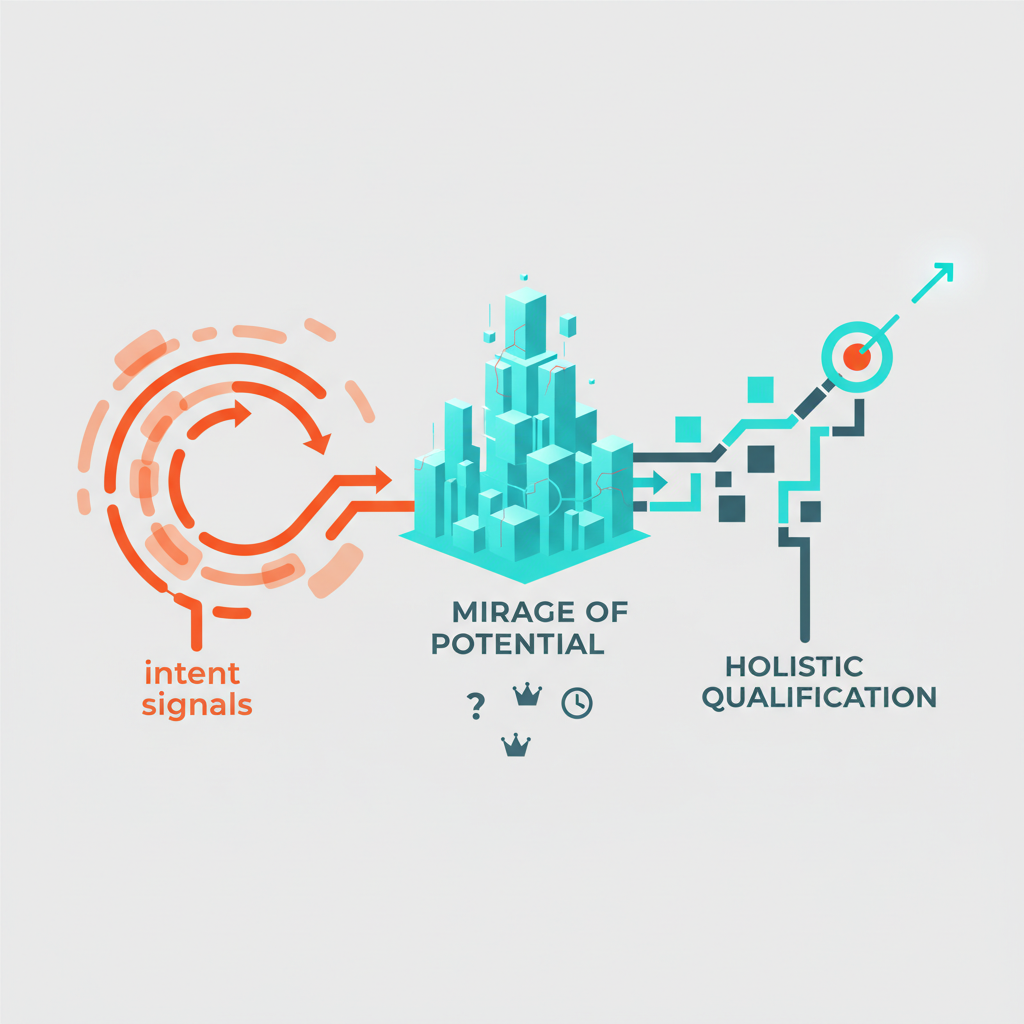
In the world of B2B SaaS, the Marketing Qualified Lead (MQL) is a cornerstone. It’s the lifeblood of sales, the promise of revenue. But the relentless pursuit of MQLs has created a dangerous side effect: a widespread erosion of trust. Sellers chase signals, buyers become wary, and deals stall before they even begin. Let’s dissect this dynamic from the perspective of the modern SaaS buyer.
What Buyers Expect: Relevance, Not Random Acts of Sales
Today’s SaaS buyers are savvy. They research, compare, and often, self-educate for a significant portion of their journey. They don’t want to be “sold to”; they want solutions. They expect vendors to understand their specific problems, their internal context, and their current stage of evaluation. A generic outreach, triggered by a whitepaper download or a pricing page visit, is often perceived as a waste of time. Buyers are busy. They are juggling multiple projects, and if the outreach feels irrelevant, they disengage quickly.
This expectation extends to the buying committee. Decisions are rarely made by a single individual. Procurement, IT, legal, and end-users all weigh in. A successful vendor understands these dynamics, offering information and support tailored to each stakeholder’s concerns and priorities. It’s about building a relationship, not just closing a deal.
What Sellers Do: Chasing the Phantom MQL
The pressure on SaaS sales teams is immense. They must hit quotas, fill the pipeline, and close deals. MQLs are seen as the fuel for this engine. The problem? Sales teams are often incentivized to prioritize quantity over quality. They are often forced to work MQLs at scale, which means they are distrustful of low-context leads and skeptical of any signal that doesn’t immediately translate into a qualified opportunity.
This leads to a focus on “intent signals” – website visits, content downloads, pricing page views, and other digital breadcrumbs. But these signals, devoid of context, are often misleading. A buyer downloading a whitepaper on “AI-powered chatbots” could be researching the market, exploring competitors, or simply satisfying curiosity. The seller, armed with only the signal, often jumps the gun, initiating a conversation that feels premature and irrelevant to the buyer.
This creates a cycle of frustration. Sellers are frustrated by low conversion rates. Buyers are frustrated by irrelevant outreach. The result is a loss of trust, a damaged reputation, and deals that stall before they even have a chance to get going.
The False Positives of Signal-Driven Sales
The reliance on intent signals, absent the broader context of a buyer’s situation, leads to false positives. A buyer might be researching a topic, not actively seeking a vendor. They could be comparing features, not ready to make a purchase. They could be an intern tasked with market research, not a decision-maker with budget authority.
The seller, however, interprets these signals as a sign of imminent buying intent, leading to outreach that feels intrusive and off-target. This approach can be particularly damaging in complex B2B SaaS sales, where decisions involve multiple stakeholders and require a deep understanding of the buyer’s needs and pain points.
The Cost of MQL Trust Erosion
The cost of this erosion is significant. It takes longer to build trust. Deals take longer to close. Sales cycles become more unpredictable. And perhaps most damaging, the vendor risks being perceived as “just another vendor,” failing to differentiate itself in a crowded market. The buyer, already wary, becomes even more resistant to sales outreach, further complicating the sales process.
The Path Forward: Context is King
The solution isn’t to abandon MQLs altogether. It’s to understand that intent signals are just one piece of the puzzle. Effective demand generation requires a deeper understanding of buyer behavior, internal context, and the stage of the buyer journey. It means building systems that prioritize relevance, not just volume. It means equipping sellers with the information they need to have genuinely helpful conversations, not just push product features.
The goal is to move beyond the transactional mindset and build relationships based on trust and mutual value. This means focusing on understanding the buyer’s challenges, their goals, and their decision-making process. It means engaging with them when the conversation is truly relevant and providing them with the information and support they need to make an informed decision.
In short, demand generation should reduce noise, not increase it.