
The modern SaaS buyer is a master of self-service, navigating a complex landscape of information before ever raising their hand. This reality, coupled with intense sales pressure to hit quota, creates a minefield for demand generation. We’re told to personalize, to target, to speak directly to the buyer’s pain. But in the crucial problem-aware stage, where buyers are just beginning their research, this very approach can backfire spectacularly. Sales teams, desperate for qualified leads, often miss the mark by jumping the gun, leading to a deluge of irrelevant outreach that pushes buyers away.
The Counterintuitive Truth: Early Personalization Can Kill Deals
The prevailing wisdom encourages hyper-personalization from the outset. Tailored messaging, customized content, and laser-focused targeting are seen as the keys to unlocking early-stage engagement. Yet, this can be a fatal flaw. When buyers are still defining their problem, exploring options, and building consensus internally, premature personalization can be perceived as presumptuous, pushy, and, most damagingly, irrelevant. It’s like proposing marriage on the first date. Buyers aren’t ready to commit, and the seller’s eagerness becomes a deterrent.
Evidence from the Trenches: Observing the Buyer’s Internal Landscape
Consider a scenario: A VP of Sales at a mid-market SaaS company is experiencing growing pains. Sales cycles are lengthening, and churn is creeping up. They start researching solutions, consuming blog posts, and attending webinars focused on sales enablement. A barrage of personalized emails floods their inbox, each pitching a specific solution, often referencing their company or previous job titles. This feels intrusive. The VP is still in the information-gathering phase. They haven’t decided what they need, who needs to be involved, or even the budget. The personalized outreach, while technically accurate, misses the mark. It’s not addressing their *current* needs, it’s anticipating needs they may not even have yet. This leads to a quick unsubscribe or, worse, a negative perception of the vendor.
The internal dynamic is also key. The VP isn’t making decisions in a vacuum. They need buy-in from the CFO, the Sales Manager, and potentially the CEO. They need to build a business case, assess ROI, and compare different options. Personalized outreach, that doesn’t acknowledge these internal hurdles, is doomed to fail. It’s ignoring the buyer’s internal context.
Reframing the Approach: Prioritizing Timing Over Targeted Messaging
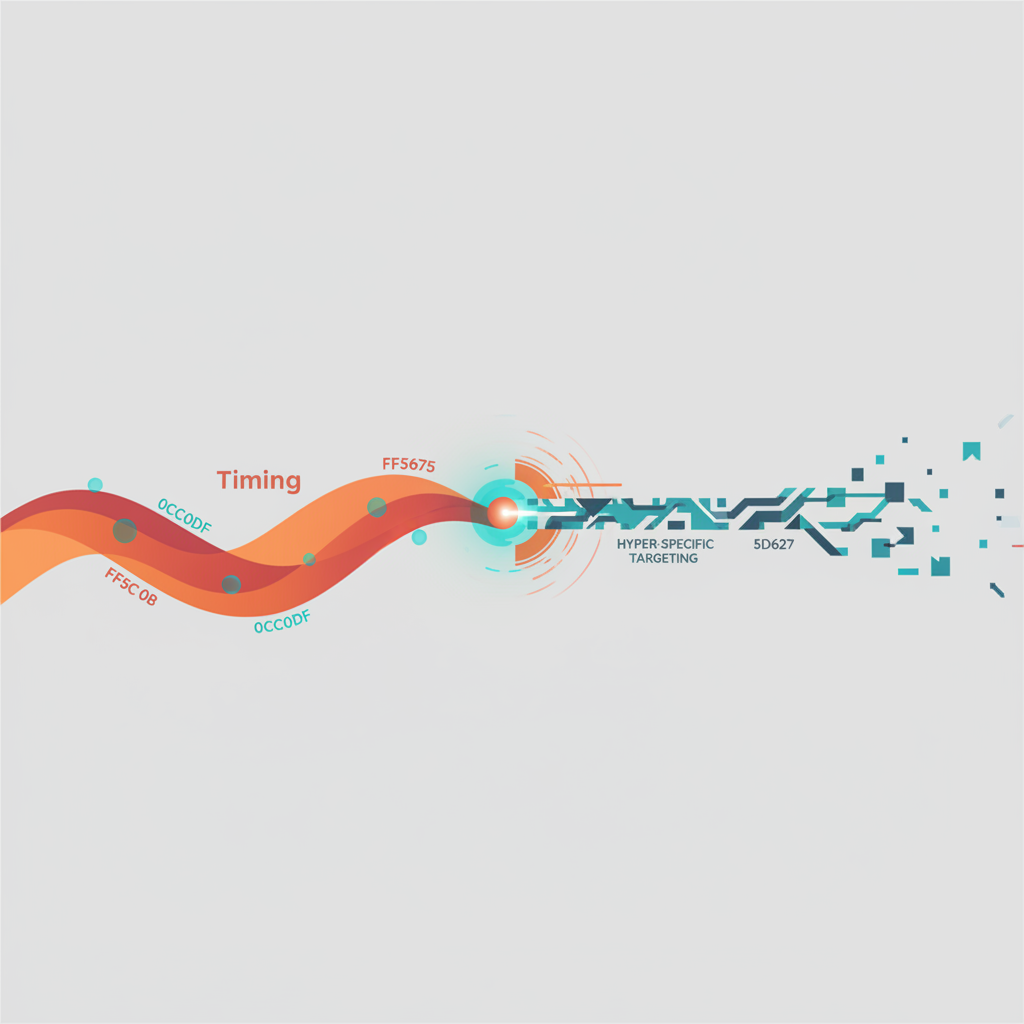
The solution isn’t to abandon personalization entirely. Rather, the focus needs to shift from *what* you say to *when* you say it. Early-stage demand generation should prioritize providing valuable, unbiased information that helps buyers understand their problem and explore potential solutions. Instead of pitching a product, offer thought leadership, industry insights, and educational content that fosters trust and positions your company as a knowledgeable resource. This builds a relationship based on value, not pressure.
Consider these adjustments:
- Content-Driven Engagement: Create content (blog posts, guides, templates) that helps buyers define their problem and assess their needs. This content should be vendor-agnostic and focused on education.
- Intent-Based Segmentation: Track content consumption and website behavior to understand what problems buyers are exploring. Use this to trigger automated nurture sequences that provide relevant information, not product pitches.
- Contextual Awareness: Before reaching out, analyze the buyer’s online footprint. Are they researching your competitors? Have they downloaded industry reports? Understand their current stage of investigation.
- Delayed Sales Involvement: Delay direct sales outreach until the buyer shows a clear buying signal, such as requesting a demo or downloading a product sheet.
This approach reduces noise and increases the chances that your message resonates when the buyer is ready to engage. It acknowledges that the buyer is in control of their journey and that the seller’s role is to be a helpful guide, not a persistent salesperson.
Conclusion: Patience as a Virtue in the Problem-Aware Stage
In the problem-aware stage, the most effective demand generation strategy is one that prioritizes relevance and timing over aggressive personalization. By focusing on educating buyers, providing valuable content, and respecting their internal evaluation process, you can build trust, establish credibility, and position your company as a valuable resource when the buyer is ready to make a decision. The key is to reduce noise, not add to it. The best personalized message is the one that arrives at the right moment.