
In the relentless pursuit of pipeline, we often chase volume. More MQLs, more opportunities, right? But as a demand generation leader, I’ve seen firsthand how a relentless focus on quantity can backfire, eroding the very foundation of sales trust and ultimately, hindering revenue growth. The modern SaaS buyer is a discerning creature, and the old playbook of blasting out generic content and hoping for the best is a recipe for disaster. It’s time to re-evaluate the relationship between MQL volume and pipeline quality, particularly through the lens of sales trust.
The Counterintuitive Truth: More Isn’t Always Better
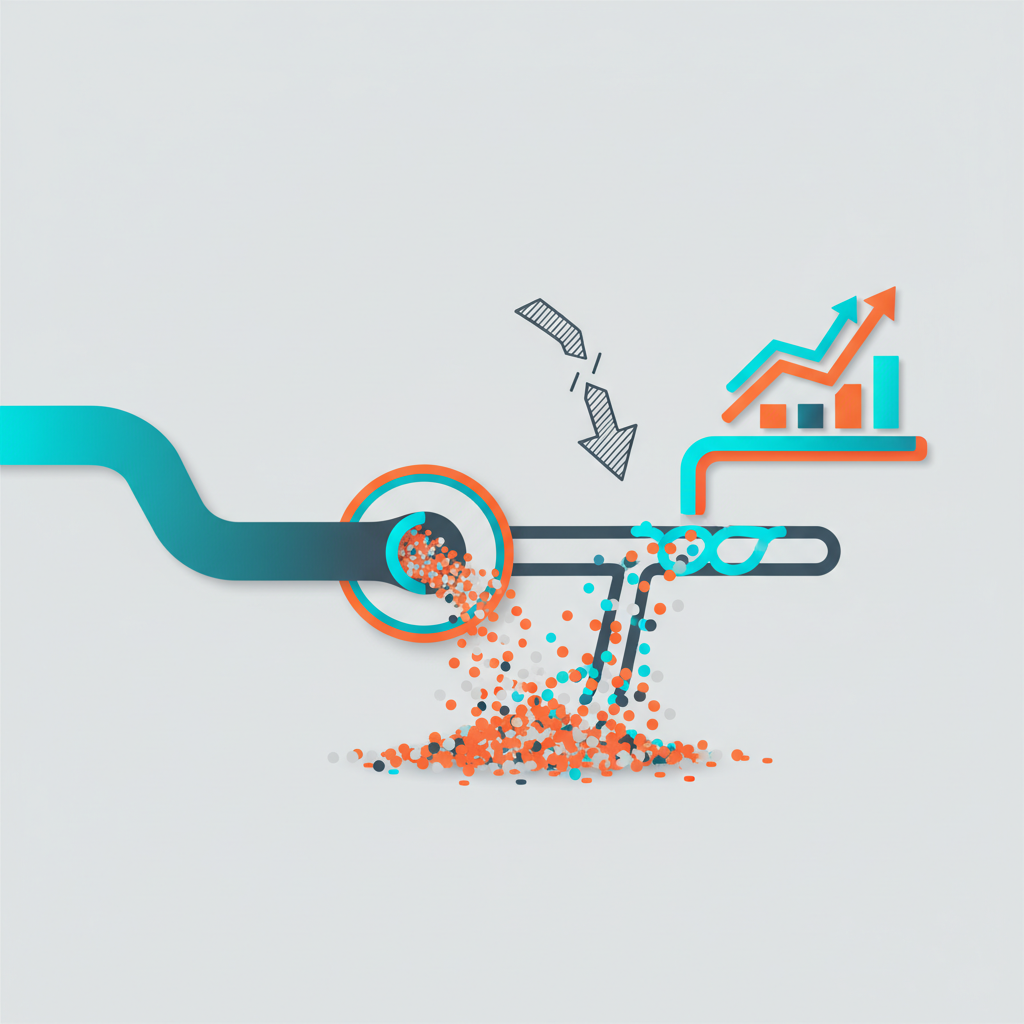
The conventional wisdom dictates that a larger top-of-funnel translates to a bigger pipeline. However, in the solution-aware stage, where buyers are actively researching solutions and evaluating options, this approach often backfires. Bombarding sales with a deluge of low-context MQLs – leads that haven’t clearly articulated their pain points or readiness to buy – breeds skepticism and distrust. Sales teams, under pressure to hit quotas, quickly learn to filter out the noise, leading to wasted time, missed opportunities, and a strained relationship between marketing and sales.
Evidence from the Trenches: The Impact on Sales Behavior
I’ve observed this pattern repeatedly. Consider a scenario where your marketing team, driven by aggressive volume targets, generates a high number of MQLs through a gated ebook download. Sales receives a flood of leads, many with little context beyond the downloaded asset. The sales team, tasked with qualifying and nurturing these leads, faces an uphill battle. They spend valuable time chasing down generic inquiries, struggling to understand the buyer’s actual needs or urgency. This leads to several predictable outcomes:
- Lead Prioritization Bias: Sales reps inevitably prioritize the leads that seem most promising, often based on superficial signals (company size, job title) rather than genuine need. This means potentially qualified leads get neglected.
- Efficiency Decline: The sheer volume of low-quality leads overwhelms sales reps, leading to burnout and decreased efficiency. They become less likely to follow up diligently, even with potentially high-value leads.
- Trust Erosion: Sales begins to distrust the MQL signal itself, viewing it as a vanity metric. This creates friction between marketing and sales, hindering alignment and collaborative efforts.
The result? A pipeline filled with noise, not opportunities. The focus shifts from solving customer problems to simply hitting lead generation targets, which ultimately fails to deliver the desired revenue outcome.
Reframing for Relevance: Building a Trust-Based Pipeline
The key to improving pipeline quality lies in shifting the focus from volume to relevance. This requires a fundamental shift in how we approach the solution-aware buyer. Here’s a practical reframing strategy:
- Intent-Driven Lead Scoring: Implement a lead scoring model that prioritizes buyer intent signals – website behavior, content consumption patterns, and engagement with sales-qualified interactions. Focus on identifying and engaging buyers who are actively researching solutions.
- Contextual Nurturing: Develop highly targeted nurture sequences based on specific buyer segments and their stage in the buying journey. Provide relevant content that addresses their pain points and demonstrates your value proposition.
- Sales and Marketing Alignment: Foster open communication and collaboration between sales and marketing. Establish clear definitions of a qualified lead and regularly review lead quality metrics. This ensures both teams are working towards the same goals and share a common understanding of buyer intent.
- Focus on the ‘Why’: Ensure all demand gen activities are tied back to understanding the ‘why’ behind the buyer’s search for a solution. What are their goals? What are they trying to achieve? How can you help?
By focusing on providing value and understanding the buyer’s needs, you can build a pipeline based on trust and relevance. This approach will not only improve sales efficiency but also foster stronger relationships with potential customers and ultimately lead to more closed deals.
Conclusion: Quality Over Quantity, Always
The pursuit of pipeline should not come at the expense of sales trust. In the solution-aware stage, where buyers are actively evaluating options, a high volume of low-context MQLs can actually damage your pipeline. By prioritizing buyer intent, providing relevant content, and fostering strong alignment between sales and marketing, we can shift from a volume-driven approach to a value-driven one, building a pipeline that is both high-quality and trustworthy. This is how we build a demand generation engine that truly drives revenue.