

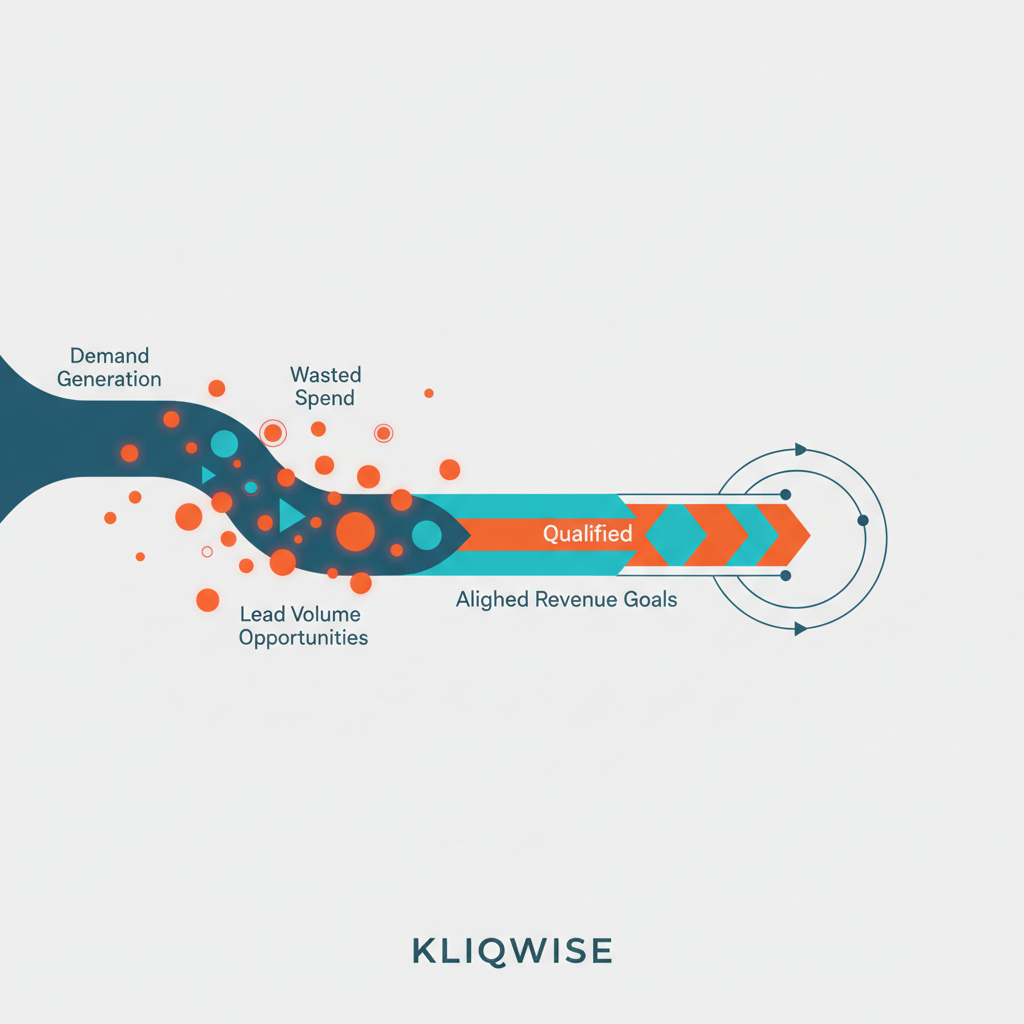
Let’s be blunt: the modern SaaS buying journey is a mess. Buyers are overwhelmed, armed with information, and deeply skeptical of sales pitches. Meanwhile, sales teams are sprinting to quota, desperate for qualified leads, and often missing the forest for the trees. This fundamental misalignment – what buyers expect versus what sellers are actually doing – is the silent killer of many SaaS businesses’ growth.
The Buyer’s Perspective: A Self-Guided Expedition
Today’s SaaS buyer isn’t waiting for your cold call. They’re researching, comparing, and internally debating long before they’ll talk to you. They build a consensus within their organization, navigating internal politics, budget constraints, and risk aversion. They’re trying to solve a problem, not just buy a product. If your outreach isn’t laser-focused on their specific pain points and readiness, they’ll simply tune you out.
This self-guided journey means that early-stage engagement is critical. Buyers are seeking relevant content, case studies, and credible validation of your claims. They want to understand how you solve their problem, not just what your product does. They’re also scrutinizing your existing customer base, searching for proof that your solution delivers on its promises.
The Seller’s Dilemma: The Pressure Cooker of Quota
Sales teams operate under intense pressure. They’re measured on pipeline creation, opportunity conversion, and ultimately, closed-won deals. This pressure creates a bias toward efficiency, leading to a focus on leads exhibiting clear buying signals. The problem? Many demand generation activities generate activity, not genuine progress.
Sales reps are often wary of “top-of-funnel” leads, seeing them as time-wasters. They need to quickly qualify opportunities, assess budget, and understand timelines. This reality often clashes with the buyer’s preference for a slower, more deliberate evaluation process. The result? A disconnect where sales prioritizes speed, and buyers prioritize due diligence.
The Metrics Myth: Activity Proxies vs. Actual Readiness
The core of the problem lies in our reliance on activity proxies. Website traffic, content downloads, and even demo requests are treated as signs of progress. But are they truly indicative of purchase readiness? Often, these metrics simply reflect a buyer’s early-stage research, not a definitive decision to buy.
This is where the misalignment becomes most apparent. Sales teams see a flurry of activity and expect immediate engagement. Buyers, however, are still in the evaluation phase, gathering information and building internal consensus. This mismatch creates friction, stalls deals, and ultimately, undermines revenue generation.
Bridging the Gap: Focusing on Buyer Intent and Context
The key to closing this gap is a shift in mindset. Demand generation shouldn’t be about generating more leads; it should be about understanding buyer intent and internal context. What problems are buyers actively trying to solve? Who is involved in the decision-making process? What are their internal priorities and constraints?
This means moving beyond vanity metrics and focusing on signals of genuine purchase readiness. Are buyers engaging with specific content related to their pain points? Are they requesting pricing information or scheduling product demonstrations with multiple stakeholders? Are they actively comparing your solution with competitors?
The Path Forward: Reducing Noise, Increasing Relevance
The most effective demand generation strategies reduce noise, not increase it. They focus on providing relevant information at the right time, to the right people. This means understanding the nuances of the buyer journey, tailoring content to specific needs, and engaging buyers when they’re actually ready to have a conversation. It’s about helping the buyer, not just selling to them.
By shifting our focus from activity to intent, we can build a more effective, buyer-centric approach to demand generation. This will not only improve sales efficiency but also foster stronger relationships with customers, leading to increased revenue and sustainable growth.