

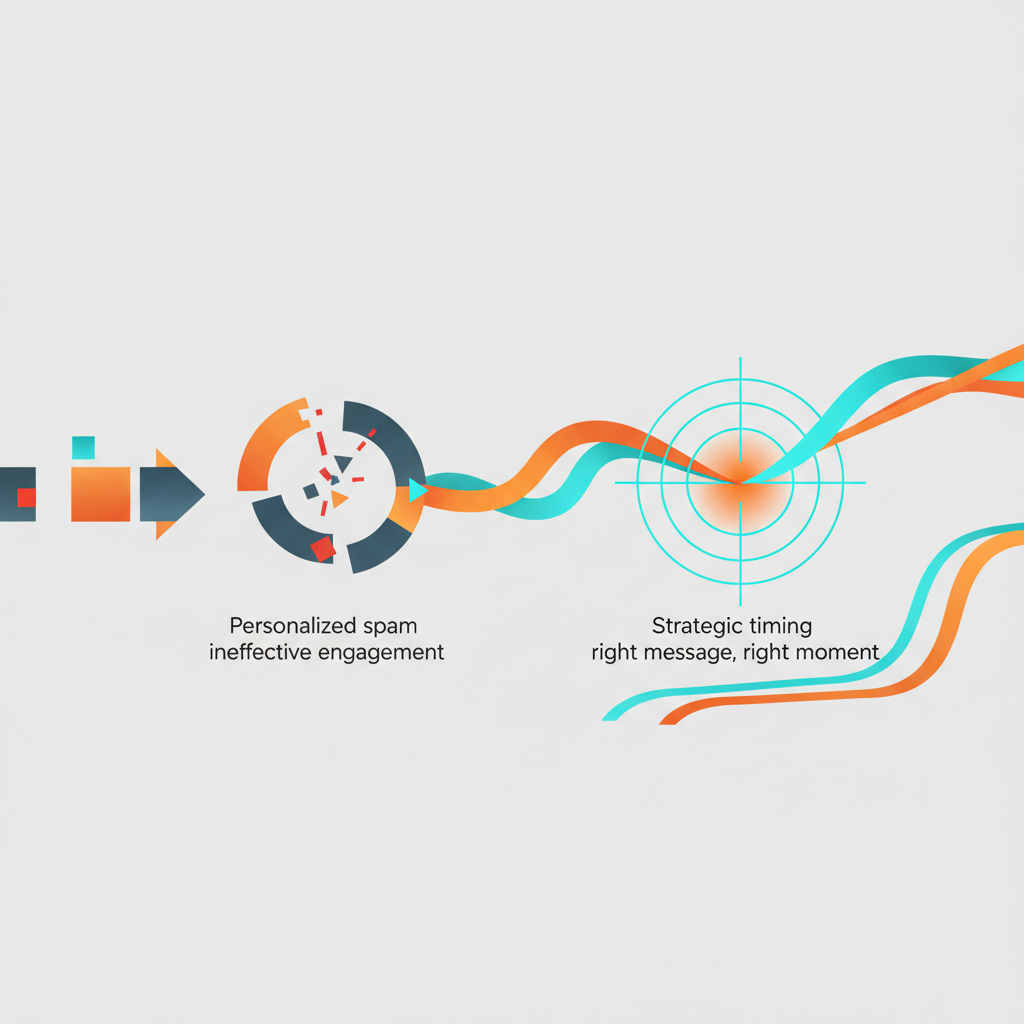
We’ve all been there. A hyper-personalized email, seemingly crafted just for us, lands in our inbox. Maybe it references a recent blog post we read, a company we work for, or a role we hold. The sender clearly did their homework. But does it resonate? Does it spark action? In the problem-unaware stage, when buyers are still defining needs, the answer, more often than not, is a resounding no.
Modern B2B SaaS buyers are savvy. They’re researching solutions, comparing vendors, and building internal consensus before ever engaging with sales. They’re wary of interruptions, especially those that feel… premature. Meanwhile, sales teams are under immense pressure to convert leads and hit targets. They need qualified conversations, not just names in a database. This creates a fundamental disconnect: a well-intentioned tactic, personalization, often falls flat because it misunderstands the crucial role of timing.
Myth: Personalized Outreach Always Improves Engagement
The prevailing wisdom is that personalization is a silver bullet. Tailoring your message to the individual buyer, their company, and their perceived needs is supposed to unlock engagement. The reality, however, is far more nuanced. While personalization can grab attention, it doesn’t guarantee interest. When a buyer is problem-unaware, they may not even realize they *have* a problem you can solve. Your meticulously crafted message, referencing pain points they haven’t yet identified, risks being dismissed as irrelevant noise.
Think about it from the buyer’s perspective. They’re likely in the early stages of research, gathering information, and building a case internally. They might be exploring industry trends, reading thought leadership, or attending webinars. A cold email, no matter how personalized, feels like an intrusion into this self-directed discovery process. It’s like interrupting someone mid-sentence before they even know what they want to say.
Contextual Reality: Timing is Everything
The critical factor often overlooked is timing. Buyers move through stages. They start problem-unaware, then become problem-aware, consider solutions, evaluate vendors, and finally, make a purchase decision. Personalization is most effective *after* the buyer has recognized a need and is actively seeking solutions. Until then, you’re essentially shouting in a crowded room, hoping someone will turn around and listen. You might get their attention, but it’s unlikely to translate into meaningful engagement.
For sales teams, this means wasted effort. They’re tasked with following up on leads that may not be ready to engage, squandering valuable time and resources. This leads to frustration, burnout, and ultimately, a decrease in sales productivity. The pressure to hit targets intensifies, leading to more aggressive outreach, further exacerbating the problem. It’s a vicious cycle.
Shifting the Focus: Intent, Not Just Information
The key to effective demand generation isn’t just knowing *who* the buyer is; it’s understanding *where* they are in their journey. Instead of relying solely on personalization based on static data, focus on understanding buyer intent. What are they researching? What content are they consuming? What questions are they asking? This requires a shift in mindset, from simply gathering information to actively listening for buying signals.
This approach allows product marketers to deliver relevant content at the right moment. Instead of generic outreach, you can provide valuable resources that address the buyer’s specific needs and concerns. This fosters trust and builds relationships, creating a more positive and productive sales cycle. When the buyer is ready, you’re already positioned as a trusted advisor, not just another vendor trying to sell them something.
Conclusion: The Value of Strategic Silence
Personalization, without the context of timing and buyer intent, is a gamble. It can backfire, alienating potential customers and wasting valuable resources. In the problem-unaware stage, strategic silence and insightful content designed to educate and inform often yield better results than a barrage of personalized emails. By understanding the buyer’s journey and respecting their need for self-discovery, product marketers can create more meaningful interactions that ultimately drive revenue and build lasting relationships.