
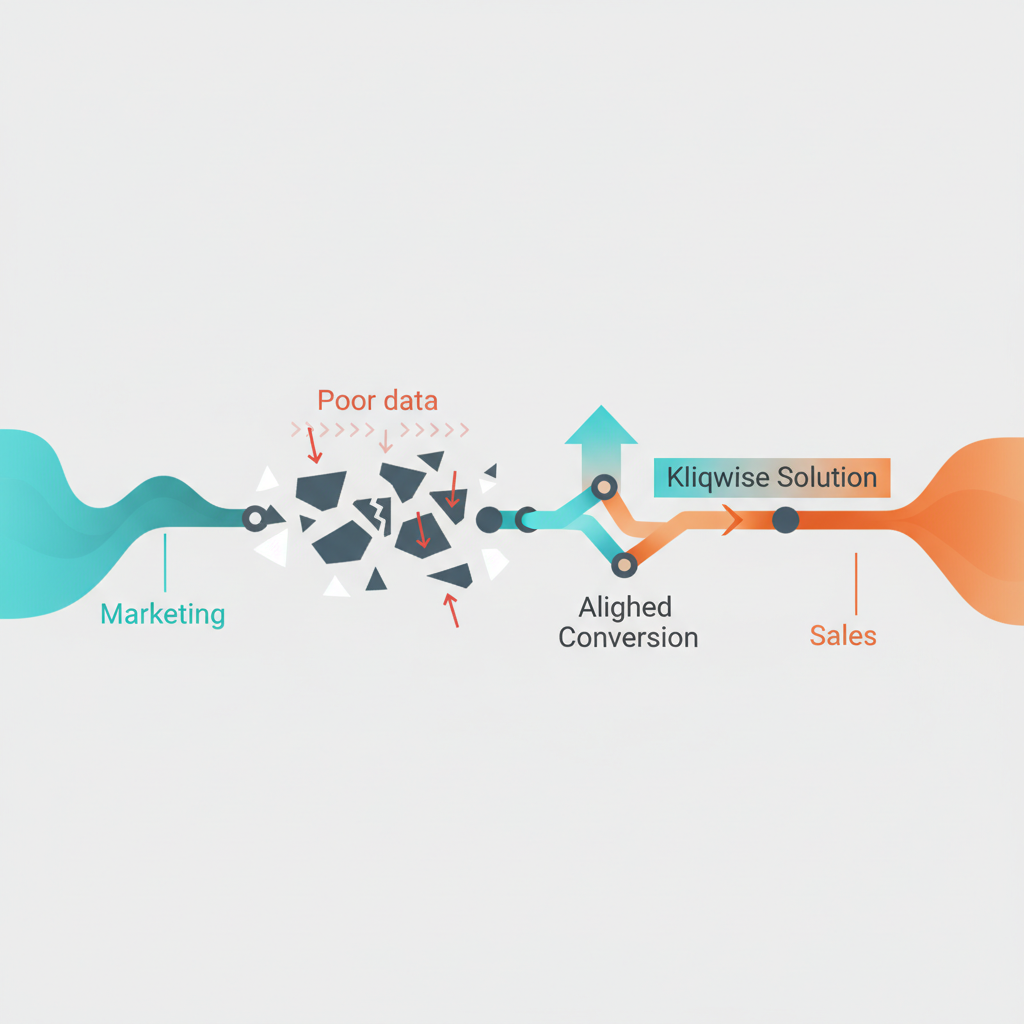
The life of a RevOps leader is often a balancing act between the promise of a growing pipeline and the reality of sales skepticism. We painstakingly craft lead generation programs, nurturing sequences, and scoring models, only to watch sales teams selectively engage with the “best” leads and sideline the rest. This isn’t laziness; it’s a symptom of a deeper disconnect in how we understand and support the modern SaaS buying journey. The uncomfortable truth? Sales often ignores your “good” MQLs because the narrative isn’t complete.
The Observed Pattern: MQLs Left on Read
Consider the typical scenario. A marketing-qualified lead (MQL) downloads a valuable piece of content, attends a webinar, or engages with a demo. Based on their behavior and scoring, they meet the criteria and are passed to sales. Yet, instead of immediate outreach, these leads languish. Sales reps may glance at the lead, note the activity, and then…silence. They move on to other, seemingly more promising prospects. The MQL is left cold, and the potential opportunity withers.
Why It Fails: The Missing Context of Problem Unawareness
This pattern isn’t a result of sales disinterest; it stems from a fundamental mismatch between the MQL’s current position in the buying journey and the sales team’s pressure to close deals. These MQLs are often in the “problem unaware” stage. They may recognize a general pain point, but they haven’t yet articulated a specific problem or considered a solution. They are exploring, researching, and gathering information. They are *not* ready for a sales pitch.
Sales teams, incentivized by closed deals, are wired to prioritize efficiency. They focus on leads exhibiting clear buying signals: requests for demos, pricing inquiries, or direct comparisons with competitors. These behaviors indicate a problem is defined and a solution is being actively sought. The problem-unaware MQL doesn’t fit this profile. Without a clear problem definition, the sales rep lacks a compelling narrative to drive a meaningful conversation. The risk of wasting time on a low-probability prospect, when the quota pressure is high, is too significant. The incomplete story translates to low perceived value.
What Changes Outcomes: Bridging the Gap with Intent and Context
To overcome this challenge, RevOps needs to shift its focus from simply generating MQLs to providing sales with the context they need to engage effectively. This means understanding the buyer’s intent beyond surface-level actions. Here are some actionable steps:
- Refine Lead Scoring: Instead of solely focusing on content consumption, incorporate behavioral signals that indicate problem exploration. Are they researching industry trends? Are they visiting competitor websites? This gives a more nuanced picture of their current state.
- Content Mapping to Journey Stage: Ensure that content is mapped to specific buying stages. Problem-unaware leads need educational, thought-leadership content that helps them define their pain points. Sales needs to know what content a lead has consumed to guide the initial conversation.
- Sales Enablement: Equip sales with the tools and talking points to engage problem-unaware leads. This includes scripts for initial outreach, questions to uncover pain points, and resources that help the buyer clarify their needs.
- Feedback Loops: Establish clear communication channels between sales and marketing. Sales reps should provide feedback on the quality of leads and the effectiveness of content. This allows for continuous improvement in lead scoring and content strategy.
By understanding that the buyer is in the problem-unaware stage, RevOps can adjust its strategy to provide sales with the context and resources they need to create relevant, valuable conversations. This, in turn, builds trust, increases engagement, and ultimately, accelerates the sales cycle.
The Silent Shift: Re-framing the Role of MQLs
The goal isn’t simply to generate more MQLs; it’s to provide sales with the right insights to understand the buyer’s position and build relevant conversations. This shift, from quantity to quality, is how RevOps can truly empower sales, reduce wasted effort, and maximize the value of every lead generated.