

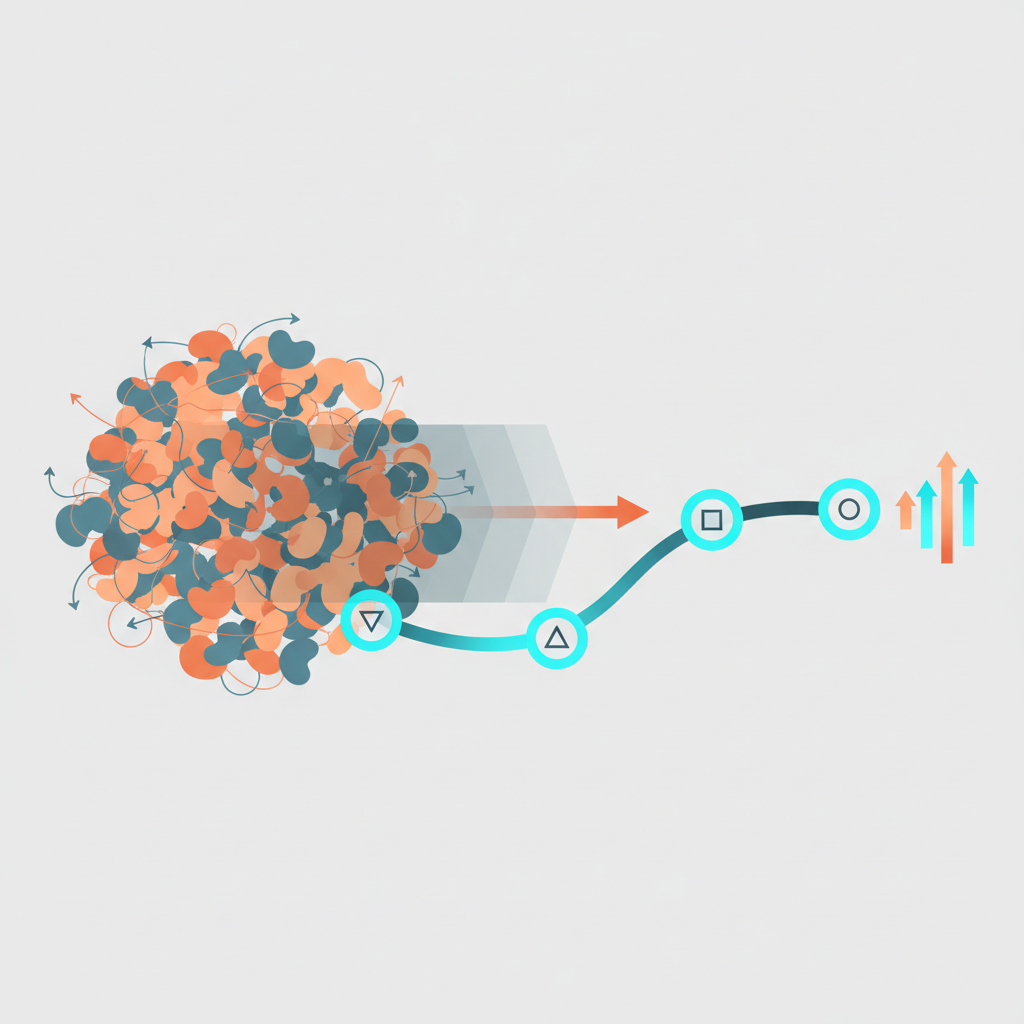
The relentless pursuit of pipeline volume is a siren song for many B2B SaaS companies. The pressure to fill the top of the funnel often overshadows a critical reality: not all leads are created equal. Churning out a high volume of marketing qualified leads (MQLs) can create the illusion of progress, while simultaneously burying sales teams under a mountain of low-context, low-intent prospects. This disconnect between volume and genuine purchase readiness is a costly problem, and one that often stems from a flawed understanding of how modern SaaS buyers actually behave.
The Consequence: Wasted Resources and Missed Opportunities
The consequences of prioritizing pipeline volume over quality are multifaceted. First, sales teams spend valuable time chasing unqualified leads, diverting their focus from prospects genuinely ready to buy. This leads to burnout, low morale, and ultimately, missed revenue targets. Secondly, a flood of irrelevant outreach erodes buyer trust and damages brand reputation. Buyers, already inundated with marketing messages, quickly tune out vendors perceived as tone-deaf to their needs. Finally, the focus on volume often masks deeper issues within the GTM strategy, such as poor messaging, ineffective targeting, or a misalignment between marketing and sales. The result? A leaky funnel, a bloated sales cycle, and a significant loss of potential revenue.
The Insight: Activity Proxies Distort the Reality of Purchase Readiness
The core problem lies in the metrics we use to measure demand generation success. Many common KPIs – website visits, downloads, demo requests – are merely activity proxies. They indicate engagement, but they don’t necessarily reflect a buyer’s true purchase readiness. A high volume of activity doesn’t automatically translate into a high probability of closing a deal. Understanding the difference between activity and intent is crucial. A buyer who downloads a whitepaper might be researching a problem, while another, who engages in a targeted, personalized conversation with a sales rep, is likely further along in the buying journey. The focus should shift from generating generic activity to identifying and nurturing buyers who are actively evaluating solutions and have a clear understanding of their needs.
The Implication: Reorienting Demand Gen Around Buyer Intent and Internal Context
To move beyond the limitations of activity-based metrics, we need to reorient our demand generation efforts around buyer intent and internal context. This involves a fundamental shift in how we approach lead qualification, content creation, and sales enablement. Rather than simply chasing volume, demand generation should be about identifying and engaging buyers who are actively exploring solutions. This requires a deep understanding of the buyer journey, including the internal dynamics, stakeholders, and decision-making processes. It means crafting content that addresses specific pain points and offers tailored solutions, not generic overviews. It also means equipping sales teams with the insights and tools they need to have relevant, impactful conversations at every stage of the buying process.
Consider the buying committee. How informed are they? Are they aligned on the problem? Are they actively seeking a solution? If not, the lead is not ready. If the lead is ready, the sales team must have the right information for a tailored conversation. This also applies to the sales team’s internal tools. Do they have the context to assess a lead’s intent? Are they prepared to handle the questions of a buying committee? If the sales team is operating in the dark, the buying journey will be long and difficult, and the deal is likely to stall.
Ultimately, the goal is to reduce noise and increase signal. This means focusing on the quality of the pipeline, not just the quantity. It means understanding the internal dynamics of the buying process. It means tailoring our outreach to the specific needs and context of each individual buyer. Only then can we truly optimize our demand generation efforts and drive sustainable revenue growth.
Conclusion: Quality Over Quantity – The Path to Sustainable Growth
The pursuit of pipeline volume is a tempting, but ultimately short-sighted, strategy. By prioritizing activity proxies over genuine purchase readiness, we risk wasting valuable resources, damaging buyer relationships, and missing out on significant revenue opportunities. The key to success lies in shifting our focus from volume to quality, from activity to intent. By understanding the nuances of the buyer journey, the internal dynamics of the buying committee, and the importance of relevant, personalized engagement, we can build a demand generation engine that truly drives sustainable growth. This is the path to building a pipeline that converts, not just one that fills.