

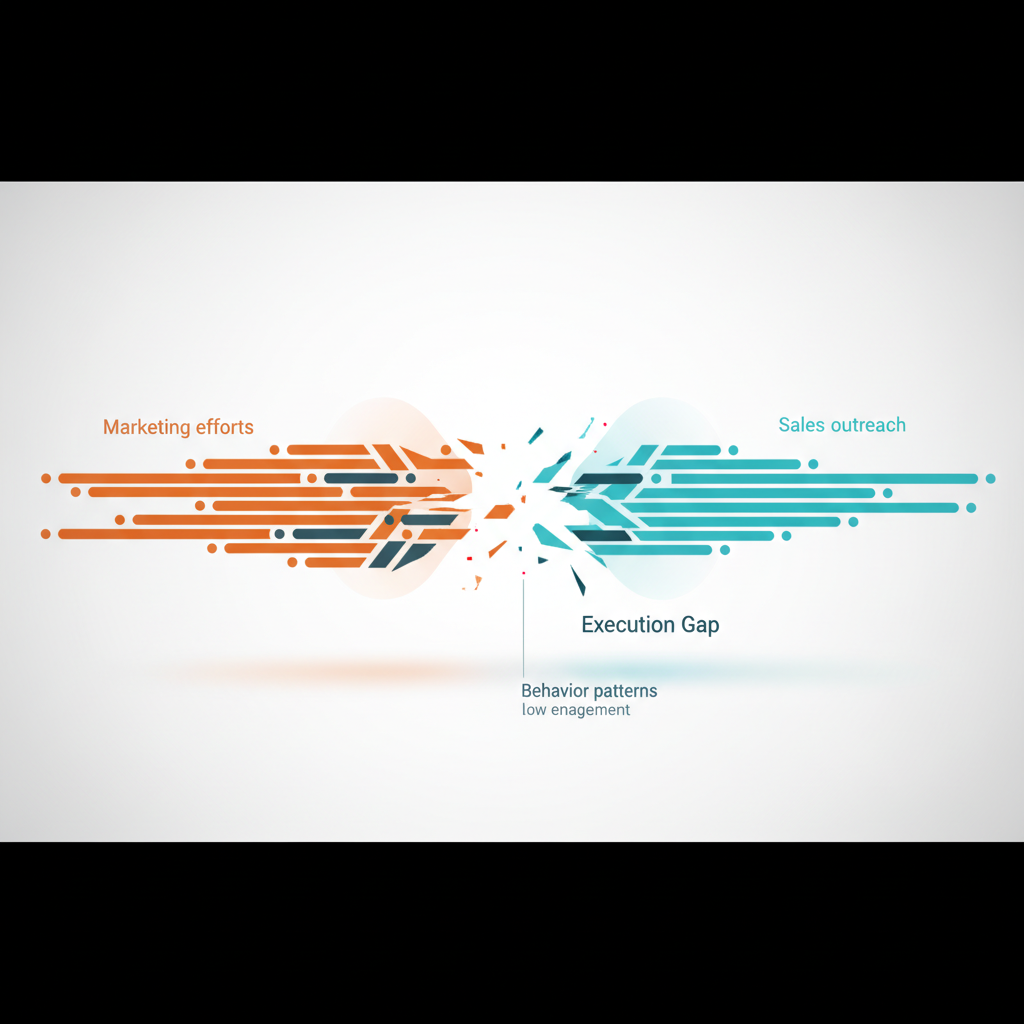
The modern B2B SaaS buying process is a complex dance. Buyers self-educate, build internal consensus, and often delay direct vendor interaction until they’ve thoroughly vetted options. This presents a challenge for sales teams under pressure to hit targets. They’re constantly sifting through noise, prioritizing leads with clear buying signals, and seeking relevance. In this environment, Account-Based Marketing (ABM) strategies often promise a solution, but frequently fall short. The gap isn’t always in the targeting; it’s in the timing. Personalized outreach, without a deep understanding of internal dynamics and urgency, can actively backfire.
Myth vs. Reality: The Illusion of Personalized Perfection
The prevailing myth in ABM is that hyper-personalization, tailored to specific account needs, guarantees engagement. The reality is far more nuanced. While buyers appreciate relevance, they primarily react to it when it aligns with their current internal priorities. Think of it like this: a perfectly crafted message about a feature your target account *might* need, but hasn’t yet internally prioritized, is just noise. It’s the equivalent of a cold call, however beautifully worded. The true measure of ABM success isn’t just about crafting custom content; it’s about timing that content to the internal decision-making process.
Contextual Reality: The Internal Crucible
SaaS purchases are rarely solo decisions. They involve committees, budget approvals, and often, significant internal debate. Consider the following: A marketing team is evaluating marketing automation software. They’re aware of their pain points, have done their research, and have a shortlist of vendors. Then, a personalized email arrives, showcasing how your software can solve a problem they haven’t yet acknowledged internally as a priority. This triggers internal discussion, but not necessarily in your favor. It may highlight the need for more internal research, or create friction if it contradicts existing internal assumptions. The timing is wrong.
The Risk of Premature Engagement
Early engagement can also create risk. If your outreach is perceived as premature – before the internal team has clearly defined its requirements or established consensus – you risk being labeled as a vendor pushing a solution prematurely. This can stall the deal before it even starts. Worse, it gives competitors an opening to subtly undermine your position during internal discussions. The goal of ABM should be to insert yourself into a conversation already underway, not to *start* a conversation that isn’t ready to happen.
Decoding Buyer Intent: Beyond the Surface
Traditional ABM often relies on firmographic data and surface-level intent signals. But what about the deeper signals? Are they actively exploring solutions or merely researching? Are they seeking internal budget approval? Have they established a project team? These are the questions that truly matter. Effective ABM requires a sophisticated understanding of a buyer’s internal journey. It’s about recognizing the subtle cues that indicate a shift in internal priorities, and tailoring your outreach accordingly.
The Kliqwise Lens: Reducing Noise, Increasing Relevance
Demand generation, at its core, is about reducing friction and increasing relevance. It’s about providing the right information, to the right people, at the right time. This means understanding not just *what* buyers are looking for, but *when* they are looking for it. It means mapping your outreach to the internal dynamics of the target account, and anticipating their needs before they even articulate them. The focus has to shift from simply creating customized content to understanding the internal rhythm of the buying organization.
Conclusion: The Art of Anticipatory Engagement
ABM execution often stumbles when it prioritizes personalization over timing. The most effective ABM strategies don’t just know *who* to target; they know *when* to engage. By understanding the internal dynamics of your target accounts, and anticipating their needs, you can transform your ABM efforts from a source of noise into a catalyst for meaningful conversations. The goal is to be present when the buyer is ready, not to force a conversation before its time.